
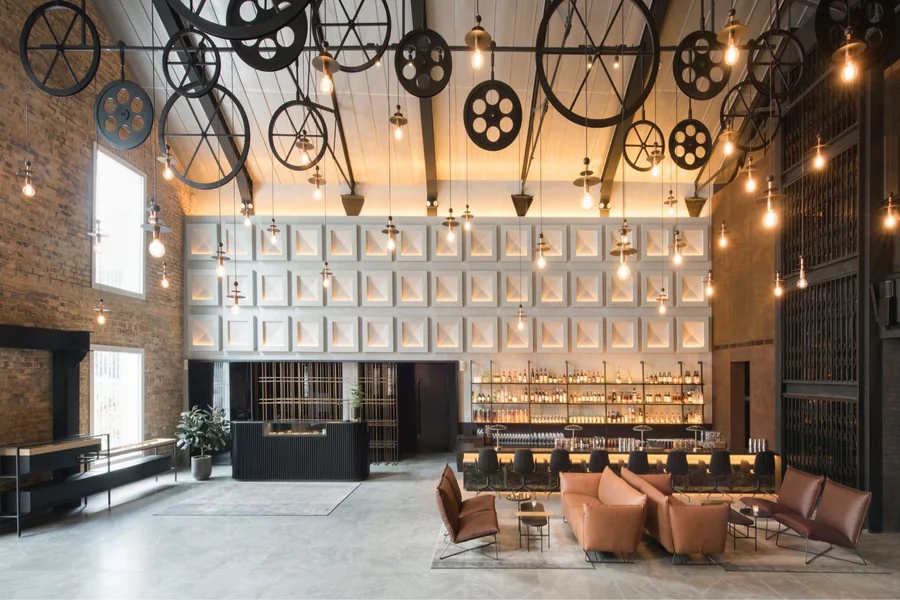
When booking a trip, what matters most to you: price, location, or experience? Increasingly, travellers are placing experience at the top of their list. Beyond convenience and cost, the look, feel, and atmosphere of where we stay are shaping our journeys. Design-led accommodation—hotels, boutique stays, and unique rentals that focus on architecture, interior design, and thoughtful aesthetics—is redefining how we travel, creating spaces that are as memorable as the destinations themselves.
Creating Experiences Beyond a Bed
Traditional hotels have long been functional: a place to sleep, shower, and store belongings. But design-led accommodations focus on crafting an experience that engages the senses. Every detail—from lighting and textures to furniture layout and artwork—is chosen to evoke a feeling or tell a story. Walking into such a space, guests are immediately immersed in a carefully curated environment that encourages them to linger, explore, and connect.
This attention to design transforms a simple overnight stay into a journey of its own. Guests might find themselves in a room with floor-to-ceiling windows overlooking a bustling cityscape, or a suite featuring handcrafted furniture and local art. It’s no longer just about a comfortable bed—it’s about an environment that enhances mood, sparks creativity, and provides a deeper sense of place.
Influencing Travel Choices
Design-led accommodation is also influencing the destinations people choose. Travelers increasingly seek stays that reflect local culture, history, or innovation. For instance, a boutique hotel in Puerto Rico might incorporate vibrant Caribbean colors, handmade textiles, and local ceramics, offering an authentic taste of the island’s artistic heritage. Dreamers Welcome makes it easier to find thoughtfully designed stays that blend local charm with modern comfort, helping travelers discover accommodations they might never have considered otherwise. In this way, accommodations are no longer neutral spaces—they become part of the story of the destination itself.
This shift is prompting travelers to look beyond conventional hotel chains. Platforms like Airbnb and boutique hotel networks highlight unique, design-focused stays that make the lodging as integral to the travel experience as the sightseeing or dining. People are choosing places that offer Instagram-worthy moments, cozy corners for relaxation, or immersive design experiences that encourage storytelling.
Sustainability Meets Design
Another trend fueling design-led accommodations is sustainability. Travelers today are more conscious of their environmental footprint, and designers are responding by creating spaces that are eco-friendly without compromising style. From reclaimed materials and energy-efficient lighting to low-impact landscaping and thoughtfully sourced decor, these accommodations prove that luxury and sustainability can coexist.
Sustainability-focused design doesn’t just appeal to eco-conscious travelers; it also enhances the guest experience. Natural materials, biophilic design, and open spaces create a sense of calm and connection to the environment, making stays both aesthetically pleasing and emotionally restorative. Guests feel they are contributing to a responsible form of travel while enjoying a thoughtfully designed space.
Fostering Community and Connection
Design-led accommodations are also changing the social dynamics of travel. Many spaces now incorporate communal areas designed to encourage interaction between guests. Thoughtfully arranged lounges, rooftop terraces, and shared kitchens invite travelers to connect, share stories, and even form lasting friendships.
This communal focus transforms travel from a solitary or purely recreational experience into something richer and more social. Guests leave not only with memories of the destination but also with meaningful connections formed in an environment that encourages openness and engagement.
The Future of Travel Accommodation
The rise of design-led accommodation reflects a broader trend in travel: people no longer seek just a place to stay; they seek experiences that enrich, inspire, and connect. This approach is changing expectations, pushing both independent hosts and large hotel chains to rethink how they create spaces.
For travelers, this shift offers exciting opportunities. Instead of settling for generic, cookie-cutter rooms, they can choose accommodations that reflect personal tastes, cultural interests, and environmental values. The journey becomes as much about the lodging as it is about the sights, sounds, and flavors of the destination.
In a world where travel is increasingly about storytelling and meaningful experiences, design-led accommodation is proving to be a game-changer. By combining thoughtful aesthetics, sustainability, and social spaces, it transforms ordinary trips into immersive journeys. Today’s travelers are not just visiting places—they’re inhabiting stories, living in design, and discovering new ways to connect with the world around them.
