
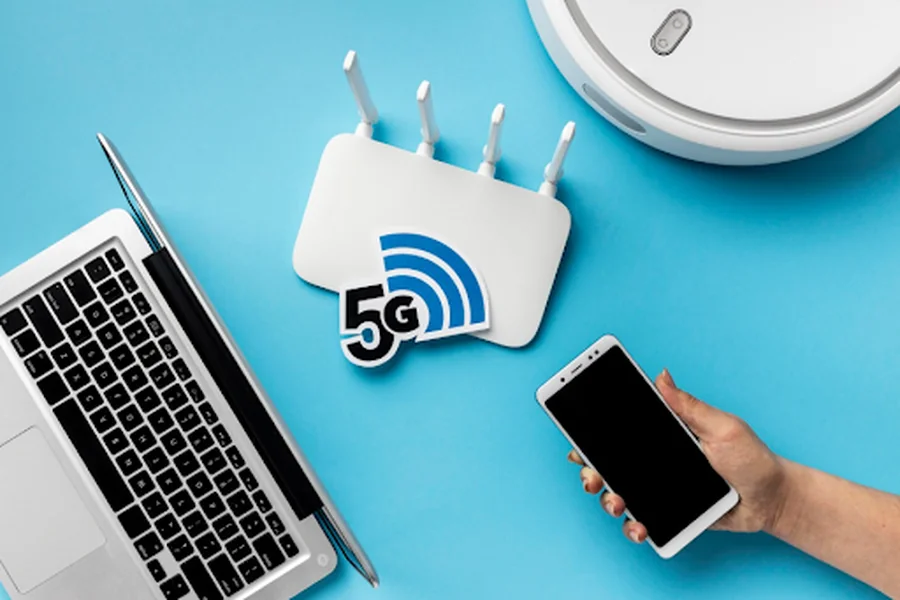
Home internet has changed a lot in the past few years. What used to be simple web browsing has turned into video calls, cloud gaming, 4K streaming, smart home devices, and multiple users online at the same time. As demands grow, so does the need for faster and more stable wireless connections. This is where Tri Band WiFi 7 comes in. You can explore compatible devices and learn more at https://eerostore.sg/collections/eero-pro-7.
WiFi 7 is the latest generation of wireless networking, promising major improvements over WiFi 6 and WiFi 6E. But for most households, the real question is not whether WiFi 7 sounds impressive, but whether a Tri Band WiFi 7 setup is actually worth the investment.
What Is Tri Band WiFi 7?
WiFi 7, also known as IEEE 802.11be, is designed to deliver higher speeds, lower latency, and better performance in busy network environments. A Tri Band WiFi 7 router operates across three frequency bands: 2.4 GHz, 5 GHz, and 6 GHz.
Each band serves a different purpose. The 2.4 GHz band offers longer range and better wall penetration but lower speeds. The 5 GHz band balances speed and coverage and is widely used today. The 6 GHz band, introduced more recently, provides wider channels, less interference, and significantly higher potential speeds.
By using all three bands together, Tri Band WiFi 7 routers can distribute traffic more efficiently, reducing congestion and improving overall network stability.
How WiFi 7 Improves on Previous Generations
The jump from WiFi 6 to WiFi 7 is not just incremental. One of the biggest improvements is support for much wider channel bandwidths. WiFi 7 can use channels up to 320 MHz, compared to 160 MHz in WiFi 6E. Wider channels mean more data can be transmitted at once.
Another major feature is Multi-Link Operation. This allows devices to connect across multiple bands simultaneously, rather than relying on a single frequency. In practical terms, this reduces latency and makes connections more reliable, especially for time-sensitive applications like video calls and online gaming.
WiFi 7 also improves modulation techniques, allowing more data to be packed into each signal. These enhancements work together to deliver faster speeds and smoother performance under heavy network loads.
Real-World Speed Expectations
On paper, WiFi 7 offers extremely high theoretical speeds. In real homes, actual speeds depend on factors such as internet plan, device compatibility, layout, and interference.
For most users, the noticeable benefit will not be raw speed alone, but consistency. Tri Band WiFi 7 helps maintain strong performance even when multiple devices are active at the same time. Streaming, downloading, gaming, and video conferencing can all happen concurrently with fewer slowdowns.
That said, to fully benefit from WiFi 7, devices must also support the standard. Older phones, laptops, and smart home devices will still work, but they will not take advantage of the latest features.
Who Benefits Most from Tri Band WiFi 7?
Tri-Band WiFi 7 is particularly useful for households with heavy internet usage. Homes with multiple users streaming high-resolution video, working remotely, gaming online, and running smart devices simultaneously are more likely to see a meaningful improvement.
Large homes also benefit. The additional band helps manage traffic more effectively across different rooms, especially when combined with mesh systems. This reduces dead zones and maintains stable connections throughout the property.
Content creators and professionals who rely on fast, low-latency connections for tasks like cloud backups, live streaming, and large file transfers may also find WiFi 7 worthwhile.
Is Tri Band WiFi 7 Overkill for Some Users?
For smaller households with basic internet needs, Tri Band WiFi 7 may be more than necessary. If your usage is limited to browsing, messaging, and occasional streaming, WiFi 6 or WiFi 6E may already provide excellent performance.
Internet speed also matters. If your broadband plan does not exceed moderate speeds, the benefits of WiFi 7 will be less noticeable. Wireless performance can only be as good as the connection coming into your home.
In these cases, investing in a high-quality WiFi 6 router might offer better value without the higher cost of WiFi 7 hardware.
Device Compatibility and Future-Proofing
One advantage of choosing WiFi 7 is future-proofing. While many current devices do not yet support WiFi 7, newer phones, laptops, and tablets are starting to adopt it. Over time, more devices will be compatible, allowing homeowners to gradually take advantage of the technology.
Tri-Band WiFi 7 routers are backwards compatible, meaning they support older WiFi standards without issue. This ensures a smooth transition rather than forcing an immediate upgrade of all devices.
For homeowners planning to keep their router for several years, WiFi 7 offers confidence that the network will remain capable as internet demands continue to grow.

Tri Band WiFi 7 and Mesh Systems
WiFi 7 becomes even more powerful when paired with mesh networking. Tri-band mesh systems use one band, often the 6 GHz band, as a dedicated backhaul between nodes. This improves communication between units and delivers faster, more stable coverage across large spaces.
In multi-storey homes or properties with thick walls, this setup can make a noticeable difference in both speed and reliability. Mesh systems also make it easier to expand coverage by adding nodes as needed.
Cost Considerations
One of the main barriers to adopting Tri Band WiFi 7 is cost. As a newer technology, WiFi 7 routers and mesh systems are priced higher than previous generations. Prices are expected to come down over time, but early adopters will pay a premium.
The decision comes down to whether the benefits align with your current and future needs. For some, the improved performance and longevity justify the investment. For others, waiting a year or two may make more financial sense.
Conclusion
Tri-Band WiFi 7 represents a significant step forward in wireless networking. It offers faster speeds, lower latency, and better performance in busy, device-heavy environments. For large households, power users, and those planning for future connectivity demands, it can be a worthwhile upgrade.
However, it is not essential for everyone. Understanding your internet usage, device compatibility, and home layout is key to deciding whether Tri Band WiFi 7 is truly worth it for you.
As with most technology upgrades, the best choice is one that balances performance, practicality, and long-term value.
