
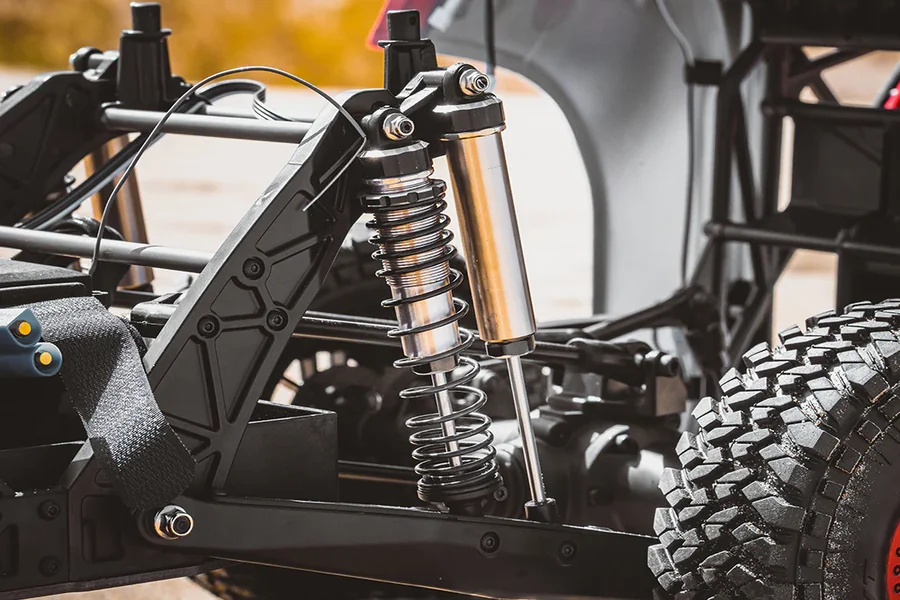
Remote-controlled (RC) vehicles are marvels of miniature engineering, combining precision mechanics, electronics, and physics. While the casual observer may see them as mere toys, hobbyists know that subtle tweaks can make a massive difference in performance. Small adjustments—whether to the suspension, tires, gearing, or electronics—can transform how an RC car handles, accelerates, and responds on different terrains. Understanding these nuances is key for anyone looking to optimize their RC vehicle for speed, control, or durability.
Suspension Tuning
One of the most impactful areas where minor adjustments matter is the suspension system. RC cars typically use independent suspension systems with adjustable shocks. By tweaking the shock oil viscosity, spring tension, or ride height, a hobbyist can dramatically influence handling characteristics.
For example, increasing the stiffness of the shocks can reduce body roll during turns, providing a more responsive feel on smooth tracks. Conversely, softer shocks allow the vehicle to absorb bumps better, improving traction on rough or off-road surfaces. Even slight adjustments in ride height affect the vehicle’s center of gravity. A lower center of gravity improves stability during high-speed cornering, while a slightly higher ride height helps prevent bottoming out over obstacles.
Tire Selection and Adjustment
Tires are the only point of contact between an RC vehicle and the surface, making them critical for performance. Changing tire compounds, tread patterns, or even tire pressure (for air-filled tires) can drastically alter handling. Soft compounds provide better grip, which is ideal for off-road or loose surfaces, but they wear faster. Hard compounds last longer and perform well on smooth surfaces but can reduce traction in loose conditions.
Small adjustments to tire toe-in and camber angles also have noticeable effects. Toe-in, where the front of the tires point slightly toward each other, improves straight-line stability but can reduce cornering speed. Camber, the tilt of the wheels relative to the ground, affects how the tires contact the surface during turns. Even a few degrees of camber change can improve cornering grip without compromising straight-line performance. Hobbyists often visit their local RC shop to get advice on the best tires and adjustments for their specific vehicle.
Gear Ratios and Drivetrain Tweaks
The drivetrain is another area where minor changes can yield significant performance gains. Adjusting the pinion and spur gears changes the vehicle’s acceleration and top speed. A smaller pinion gear or larger spur gear increases torque, allowing quicker acceleration but lowering maximum speed. Conversely, a larger pinion or smaller spur increases top speed but requires more torque to accelerate.
Beyond gears, attention to differential settings can transform handling. Many RC cars have adjustable differentials that control how power is distributed between wheels. Tightening the differential reduces wheel spin and improves stability, ideal for smooth tracks. Loosening it allows wheels to rotate more independently, which is beneficial for navigating rough terrain or drifting.
Electronics and Power Management
Electronic adjustments are often overlooked, but they can be equally influential. The Electronic Speed Controller (ESC) determines how the motor responds to throttle input. Adjusting ESC parameters such as punch (initial power burst), braking strength, and throttle curves can make the vehicle feel more predictable and responsive. A small reduction in punch can prevent wheel spin on slippery surfaces, while a subtle increase in braking strength can improve cornering control.
Battery choice also affects performance. Higher voltage batteries provide more power, allowing faster acceleration, but may put additional strain on motors and electronics. Understanding how minor changes in battery voltage or capacity influence performance is essential for optimizing an RC car for specific conditions.
Aerodynamics
Although RC vehicles operate at smaller scales, aerodynamics still matters. Small modifications, like adjusting the angle of a rear wing or adding lightweight body clips, can influence downforce and drag. A slight increase in rear downforce improves traction during high-speed cornering, while reducing frontal drag helps achieve higher top speeds on straightaways. Even minor changes in body positioning or weight distribution can affect stability, especially in racing scenarios.
Weight Distribution
Speaking of weight distribution, small changes in how weight is balanced across the chassis can significantly impact performance. Adding small weights or repositioning components like the battery or receiver can adjust the car’s handling characteristics. A front-heavy setup increases traction on the front wheels, improving steering response, but may reduce rear grip. A rear-heavy setup favors acceleration and corner exits but can make the vehicle prone to oversteer. By carefully balancing the weight, hobbyists can fine-tune the vehicle to match their driving style and track conditions.
The Cumulative Effect of Minor Adjustments
What makes these small adjustments so fascinating is their cumulative effect. A tiny change in tire camber combined with a slight suspension tweak and a minor gear adjustment can transform the entire driving experience. Often, it’s not one adjustment alone that makes a vehicle faster or more controllable but the combination of multiple small optimizations. Skilled RC drivers experiment iteratively, making incremental changes, testing the results, and refining until they achieve the perfect balance of speed, grip, and handling.
Practical Tips for Fine-Tuning
- Make one change at a time – Changing multiple variables simultaneously can make it difficult to identify what improvement (or issue) comes from which adjustment.
- Keep detailed notes – Record adjustments and their effects to create a reference for future setups.
- Test in realistic conditions – Performance can vary dramatically depending on the track surface or weather, so always test adjustments in the environment where the car will run.
- Use quality tools – Precision screwdrivers, hex wrenches, and tire balancers allow more accurate adjustments, ensuring small tweaks have the intended effect.
- Patience is key – Fine-tuning an RC car is part science, part art. Even small changes can feel subtle at first but compound into a noticeable performance improvement over time.
In RC vehicles, small adjustments are far more than cosmetic tweaks—they are fundamental to performance optimization. From suspension stiffness to tire alignment, gear ratios, electronics, aerodynamics, and weight distribution, each minor change can alter how an RC car accelerates, corners, and responds. Understanding and experimenting with these variables allows hobbyists to extract maximum performance from their machines, transforming a standard RC car into a finely tuned racing or off-road machine. The thrill of RC racing or off-roading isn’t just about driving fast—it’s about the mastery of mechanics, where every tiny adjustment matters.
