
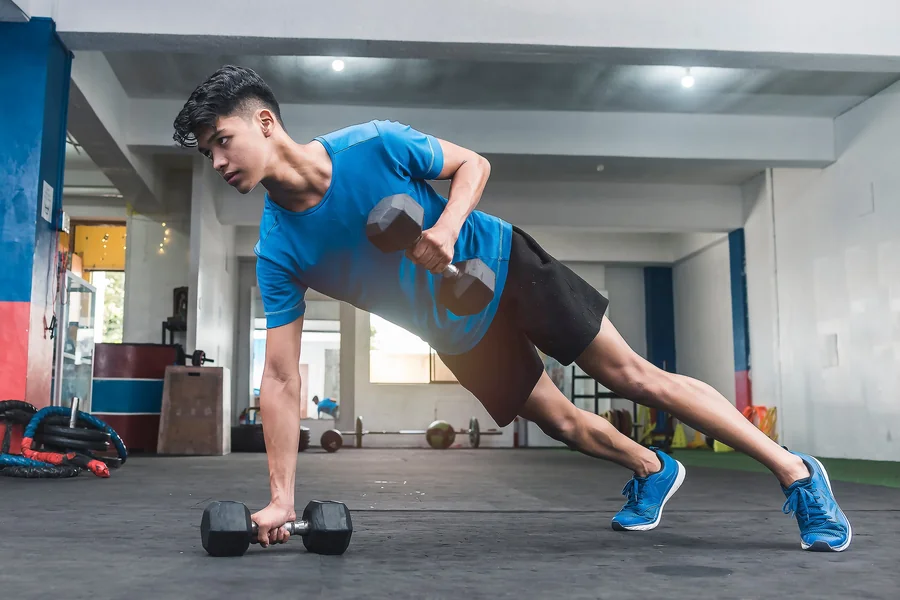
Generation Z, broadly defined as those born between the mid-1990s and early 2010s, is coming of age in a world saturated with technology, social media, and evolving cultural norms. Unlike previous generations that often approached fitness through structured gym routines or regimented diets, Gen Z embraces a more holistic and flexible approach to health and wellness. Their strategies reflect not only their values but also the unique pressures and opportunities of the modern era.
Redefining Fitness
For Gen Z, fitness is no longer synonymous with heavy weightlifting or running long distances. Instead, it is about movement that feels enjoyable, sustainable, and personally meaningful. Many young people in this generation favor activities that combine physical health with social interaction or creative expression. Dance challenges on TikTok, outdoor group workouts, and hybrid fitness classes like yoga-pilates fusion or barre-cycling are gaining popularity because they emphasize fun over competition.
Digital fitness has also reshaped how Gen Z engages with exercise. Fitness apps, wearable technology, and virtual trainers allow users to track progress, set personalized goals, and share achievements online. Gamification, such as scoring points for completing steps or attending classes, keeps the experience engaging. This integration of technology and fitness reflects Gen Z’s comfort with digital platforms and their desire for experiences that are interactive and rewarding. Interestingly, some young adults also incorporate products like flavored vapes into their wellness routines in moderation, often choosing options they perceive as a controlled alternative to traditional smoking.
Prioritizing Mental Wellness
Unlike generations that focused primarily on physical outcomes, Gen Z places equal, if not greater, emphasis on mental and emotional health. Stress, anxiety, and burnout are prevalent concerns, particularly given the competitive academic and professional environments this generation faces. Meditation, mindfulness, and journaling have become mainstream practices, often shared via social media for both inspiration and accountability.
Mental wellness is also influencing lifestyle choices. Many Gen Zers adopt flexible schedules, remote work, and “digital detoxes” to reduce stress and maintain a sense of control over their time. They recognize that physical health alone is insufficient without addressing mental resilience. This holistic perspective differentiates Gen Z from older generations who often separated physical fitness from mental wellness.
Nutrition with a Purpose
Gen Z approaches nutrition not just as a means to achieve a specific body image but as a tool for long-term health, ethical responsibility, and environmental consciousness. Plant-based diets, sustainable food sourcing, and interest in organic or minimally processed foods are hallmarks of their dietary preferences. Meal prep and mindful eating are embraced not only for convenience but as part of a broader commitment to self-care.
Social media plays a dual role in nutrition habits. Platforms like Instagram and TikTok provide access to recipe inspiration, nutrition tips, and wellness communities, but they also expose young people to trends that may be unrealistic or unsustainable. Despite this, Gen Z generally emphasizes moderation and balance rather than extreme dieting, reflecting a pragmatic approach to nutrition that supports both health and mental well-being.
Seeking Balance in a Digital World
Gen Z’s pursuit of balance extends beyond fitness and nutrition to their overall lifestyle. They are redefining what “success” means, placing value on experiences, social connection, and personal fulfillment. Work-life balance, mental health days, and prioritizing hobbies are increasingly seen as legitimate components of a healthy life.
Technology, paradoxically, is both a facilitator and a challenge in this quest for balance. While digital tools provide access to fitness classes, mental health apps, and wellness communities, they also contribute to information overload and constant connectivity. Gen Z combats this through intentional habits, including scheduled breaks, limiting social media exposure, and using apps to track not just physical activity but emotional well-being, while some also explore lifestyle and food-related resources like cookout menu with prices during their daily routines.
Community and Accountability
Community engagement is a crucial element of Gen Z’s approach to wellness. Unlike previous generations that often pursued fitness individually, this generation thrives on social connection and shared experiences. Online forums, group fitness classes, and wellness challenges create environments that offer support, motivation, and accountability. Peer influence can positively reinforce healthy habits while making wellness activities more enjoyable.
Conclusion
Gen Z’s approach to fitness, wellness, and balance reflects a nuanced understanding of health that goes beyond traditional metrics. Movement, mental health, nutrition, and lifestyle choices are interconnected, and young people are seeking a sustainable, enjoyable, and socially conscious path toward well-being. By embracing flexibility, technology, and community, Gen Z is redefining what it means to live a balanced life, highlighting the importance of both self-care and connection in an increasingly complex world.
In essence, Gen Z is teaching us that wellness is not just a goal but a lifestyle—a mindset that prioritizes joy, resilience, and balance over perfection. Their holistic approach may well shape the future of fitness and wellness culture for generations to come.
