
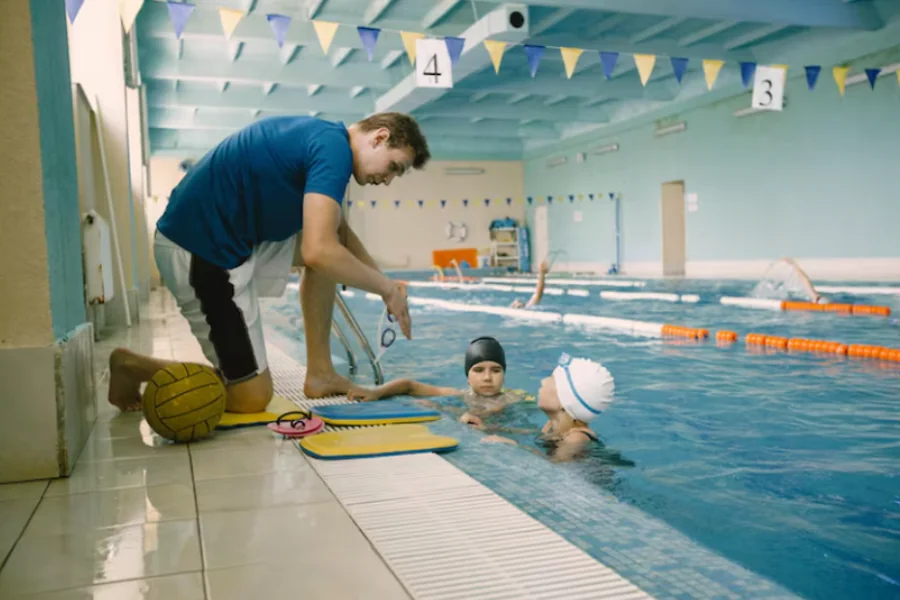
The Rise of Swimming in Sengkang
Swimming is no longer just an extracurricular activity; it has evolved into a crucial life skill. Recognising this, the Sengkang community has embraced swimming as a key component of health, safety, and personal development.
The popularity of swimming in Sengkang has grown significantly over the past decade. Residents increasingly recognise its benefits, ranging from physical fitness and water safety to personal confidence and social interaction. The area’s swimming complexes are buzzing with activity, hosting students of all ages, from toddlers taking their first strokes to teenagers refining advanced techniques.
Sengkang’s emphasis on swimming aligns with broader health and wellness initiatives in Singapore. Local authorities have invested in facilities and programmes to ensure that swimming is accessible, safe, and inclusive. These efforts reflect a commitment to public health and community development, positioning swimming as both a recreational and educational pursuit.
Facilities at Sengkang Swimming Complex
The Sengkang Swimming Complex stands as a modern exemplar of functional design and aquatic innovation. Featuring multiple pools—including training, competition, and recreational pools—the complex caters to all skill levels. Children benefit from dedicated beginner pools that provide a safe and encouraging environment for initial learning, while advanced swimmers can practise in Olympic-standard lanes.
Safety and hygiene are priorities at the complex. State-of-the-art filtration and water treatment systems ensure clean and safe swimming conditions, while spacious changing areas and supportive staff create a welcoming atmosphere. The complex also includes observation areas, enabling parents to engage with their children’s learning experience.
Curriculum and Instructional Techniques
Swimming lessons in Sengkang follow a structured and progressive curriculum. Beginners start with water safety, comfort, and basic floating techniques, gradually advancing to the mastery of strokes such as freestyle, backstroke, breaststroke, and butterfly. Each stage of the curriculum is carefully designed to ensure skill acquisition is thorough and confidence is steadily built.
Innovative instructional techniques are often integrated to enhance learning outcomes. For example, underwater video analysis allows swimmers to visualise their strokes, correct posture, and refine technique. Games, drills, and interactive exercises make lessons engaging while reinforcing skill development. This combination of technology, pedagogy, and fun ensures learners remain motivated and achieve steady progress.
The Role of Qualified Instructors
One of the defining strengths of sengkang swimming lessons is the expertise of its instructors. Certified by reputable swimming authorities, these coaches bring extensive professional experience to their teaching. Many have competed at national or international levels and possess a deep understanding of competitive swimming techniques.
Instructors prioritise safety, confidence-building, and discipline. They provide personalised feedback and encourage learners to challenge themselves while maintaining a supportive environment. The professional yet approachable teaching style ensures that students of all ages feel motivated, secure, and inspired to reach their full potential.
Community Engagement and Cultural Impact
Swimming in Sengkang is more than an athletic activity—it is woven into the local culture. Community events, competitions, and water-themed festivals are regular highlights, fostering social interaction and engagement among residents. These activities create a sense of belonging and community pride, where participation is valued as much as performance.
For children, swimming lessons provide an early introduction to teamwork, cooperation, and healthy competition. As they develop friendships and shared experiences through lessons and events, they gain social skills that extend beyond the pool. For adults, swimming is both a fitness pursuit and a community connector, enabling lifelong learning and social interaction.
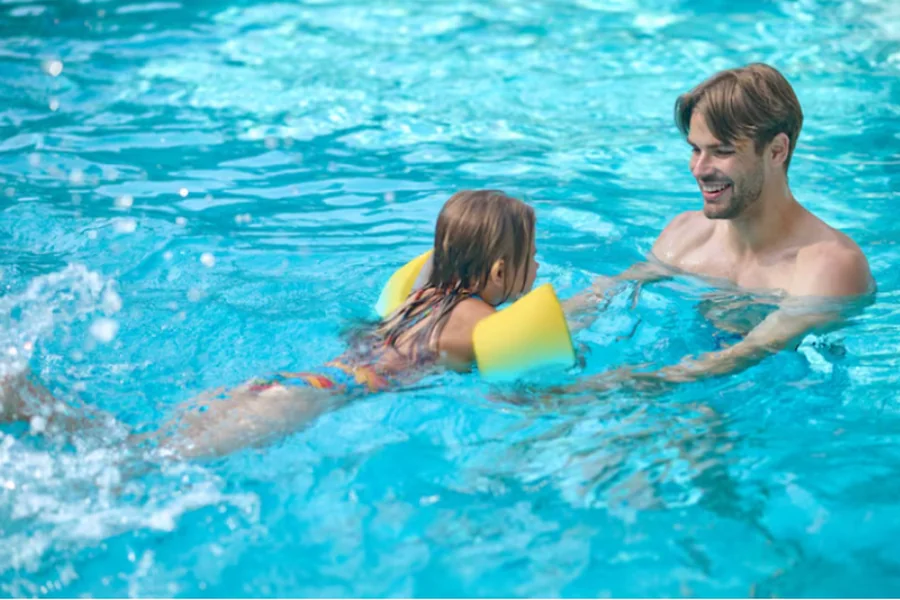
Health and Environmental Awareness
Regular swimming lessons offer numerous health benefits. Swimming is a low-impact cardiovascular exercise that improves endurance, strength, flexibility, and coordination. It also reduces the risk of chronic illnesses such as obesity, heart disease, and diabetes. Beyond physical health, swimming can enhance mental well-being by reducing stress, improving mood, and fostering a sense of accomplishment.
Environmental awareness is also emphasised within the Sengkang swimming community. Participants learn about the importance of clean water, proper pool maintenance, and water conservation. Lessons often incorporate discussions about environmental responsibility, encouraging learners to become mindful of sustainable practices in and out of the pool.
Building a Sustainable Aquatic Ecosystem
Sengkang Swimming Complex is committed to sustainability. Energy-efficient technologies are employed for pool heating, water circulation, and lighting. The complex actively participates in green initiatives to reduce its environmental footprint, including water recycling systems and waste reduction measures.
Plans include further incorporation of eco-friendly architectural designs, solar energy integration, and community awareness campaigns. By combining sustainability with recreation, the complex demonstrates a forward-thinking approach that ensures the continued enjoyment of swimming facilities for generations to come.
The Future of Swimming in Sengkang
The outlook for swimming in Sengkang is bright. Efforts to increase public access to lessons, expand programmes, and promote inclusivity are ongoing. Initiatives are being developed to cater to people with disabilities, ensuring that swimming opportunities are available to all. Grassroots programmes are also being strengthened, identifying and nurturing young talents who could emerge as competitive swimmers at the regional or national levels.
As swimming becomes more ingrained in the lifestyle of Sengkang residents, it is set to play a vital role in community engagement, health promotion, and talent development. The combination of modern facilities, expert instruction, and community support ensures that Sengkang remains a hub for aquatic excellence.
Conclusion
Sengkang swimming lessons provide more than technical training; they cultivate life skills, community spirit, and environmental awareness. Learners develop confidence, discipline, and resilience, while also contributing to a culture of health and sustainability. By promoting both personal growth and social cohesion, these programmes demonstrate the transformative power of sport and education.
In essence, swimming in Sengkang is not just about learning to swim—it is about fostering well-rounded individuals, strengthening community bonds, and creating a sustainable, active lifestyle. The impact of these lessons extends far beyond the pool, illustrating how a community-focused approach to sport can enrich lives and inspire future generations.
