
Getting a tattoo can be an exciting and meaningful experience, but what happens when you change your mind or your tattoo doesn’t turn out as expected? Tattoo removal has become an increasingly popular solution for those looking to erase or fade their unwanted ink. In this comprehensive guide, we’ll walk you through everything you need to know about tattoo removal, from the different methods available to what to expect during the process.
Understanding Tattoo Removal Methods
There are several methods for removing tattoos, each with its own advantages and disadvantages. The most common methods include:
- Laser tattoo removal: This is the most popular and effective method, using high-intensity laser light to break down the tattoo pigments.
- Surgical excision: This involves cutting out the tattooed skin and stitching the remaining skin back together.
- Dermabrasion: This method uses a rotating abrasive device to sand down the top layers of skin, gradually fading the tattoo.
How Laser Tattoo Removal Works
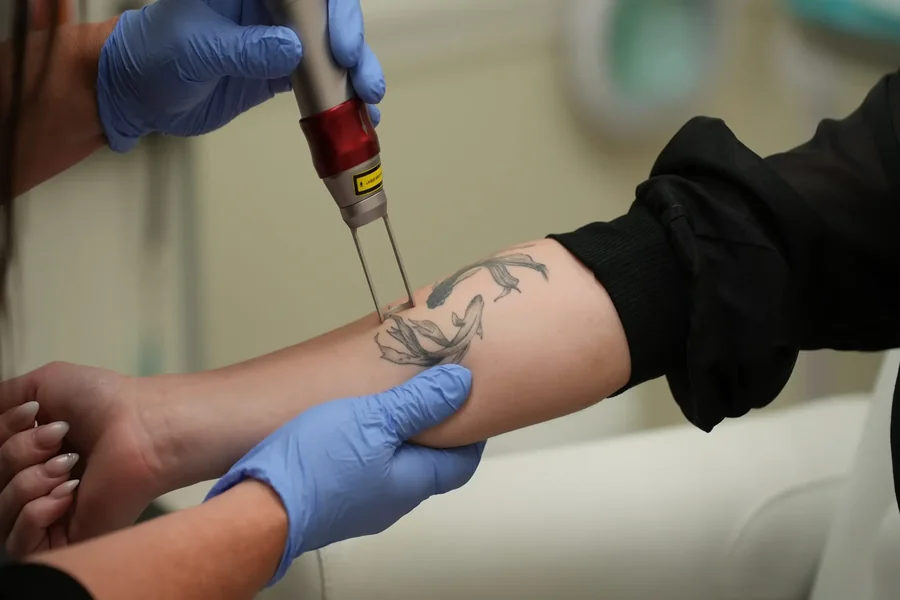
Laser tattoo removal is the most widely used method due to its effectiveness and minimal scarring. The process involves using a high-intensity laser beam to break down the tattoo pigments into smaller particles, which are then naturally absorbed and eliminated by the body’s immune system.
The laser targets the pigments without damaging the surrounding skin, making it a safer option compared to other methods. However, it’s important to note that laser tattoo removal Kitchener typically requires multiple sessions to achieve the desired results, depending on factors such as the size, color, and age of the tattoo.
Preparing for Your Tattoo Removal Session
Before undergoing tattoo removal, it’s essential to consult with a qualified and experienced professional. They will assess your tattoo and provide you with a realistic expectation of the results and the number of sessions required.
To prepare for your tattoo removal session, you should:
- Avoid sun exposure and tanning for at least four weeks before treatment.
- Shave the area around the tattoo to allow for better laser penetration.
- Avoid taking blood-thinning medications, such as aspirin or ibuprofen, for at least a week before treatment.
What to Expect During and After Treatment
During the tattoo removal session, you may experience some discomfort, often described as a snapping or stinging sensation. Most professionals will apply a topical anesthetic to minimize any pain or discomfort.
After the session, you can expect some redness, swelling, and possibly some blistering or scabbing. It’s crucial to follow your practitioner’s aftercare instructions, which may include:
- Applying a cold compress to reduce swelling and discomfort.
- Keeping the treated area clean and dry to prevent infection.
- Avoiding direct sun exposure and applying sunscreen to protect the treated skin.
Potential Risks and Side Effects
While laser tattoo removal is generally safe when performed by a qualified professional, there are some potential risks and side effects to be aware of. These may include:
- Hyperpigmentation or hypopigmentation (darkening or lightening of the skin)
- Scarring or textural changes to the skin
- Incomplete removal of the tattoo
- Allergic reactions to the tattoo ink or topical anesthetics
Choosing the Right Tattoo Removal Specialist
When considering tattoo removal, it’s crucial to choose a reputable and experienced specialist. Look for a practitioner who:
- Is certified and trained in laser tattoo removal
- Uses up-to-date, well-maintained equipment
- Provides a thorough consultation and realistic expectations
- Has a portfolio of before-and-after photos to demonstrate their work
Conclusion
Tattoo removal can be a life-changing decision for those who have outgrown or regret their tattoos. By understanding the different methods available, preparing for your sessions, and choosing the right specialist, you can achieve the best possible results and start fresh with clear, ink-free skin.
Remember, tattoo removal is a gradual process that requires patience and commitment. With the right approach and a qualified professional by your side, you can successfully erase your unwanted tattoos and move forward with confidence.
