
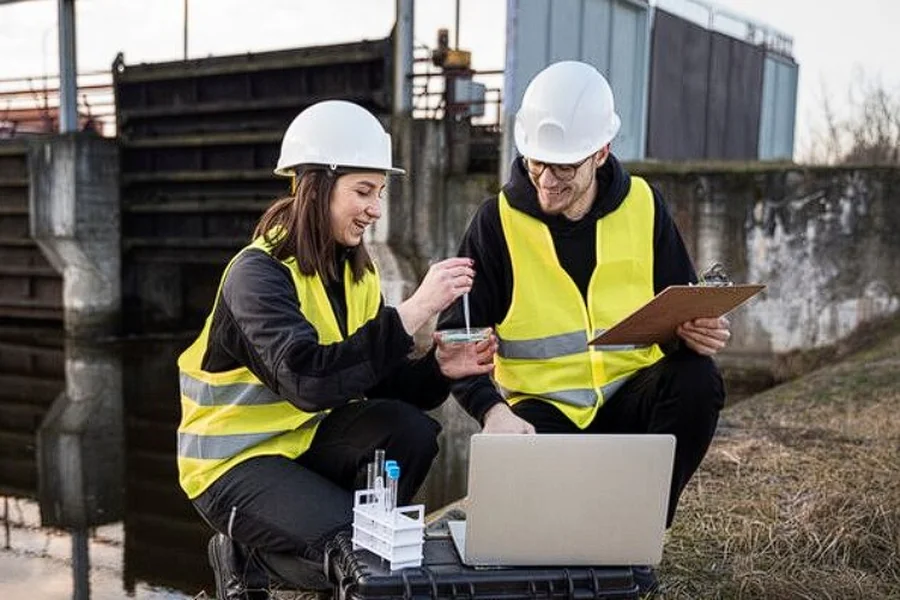
Waste management today is a growing challenge across industries. With rising waste volumes, limited recycling infrastructure, and the escalating environmental and health risks from improper disposal, businesses and organizations face increasing pressure to adopt sustainable practices. Many operations struggle to implement effective waste reduction strategies amid day-to-day demands, often leading to inefficiencies and higher operational costs. Addressing these challenges requires professional guidance that blends expertise, strategy, and practical solutions. Expert waste audit consulting services have emerged as a pivotal solution to optimize waste management systems, reduce environmental impact, and improve operational efficiency.
Understanding Waste Audits
A waste audit is a structured examination of the types and amounts of waste generated by an organization or facility, and BNL offers waste audit consulting services to support this process. The process involves assessing current disposal practices, evaluating recycling opportunities, and identifying inefficiencies that contribute to unnecessary waste. By understanding how and where waste is generated, organizations can develop actionable strategies to minimize environmental impact, enhance recycling rates, and optimize resource utilization.
The purpose of a waste audit is to provide a clear understanding of waste production patterns and highlight areas for improvement. Beyond compliance and environmental responsibility, conducting audits allows organizations to implement cost-saving measures, improve operational workflows, and foster a culture of sustainability. These audits are particularly important for industries producing significant volumes of waste, as they offer data-driven insights for targeted interventions and long-term planning.
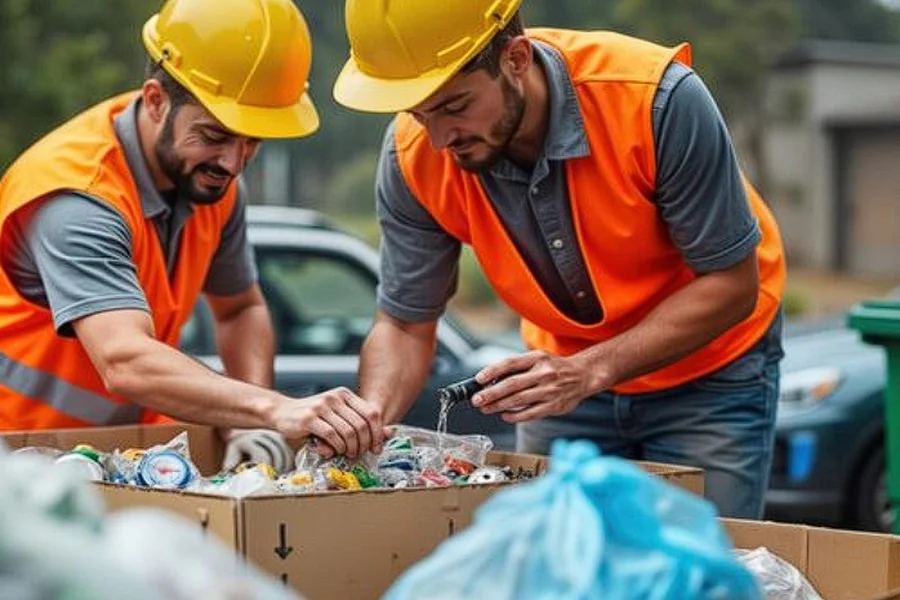
Key steps in a waste audit process include defining objectives, gathering necessary materials and information, categorizing waste streams, collecting quantitative data, and analyzing trends. Insights from this process are then used to develop practical solutions for waste reduction, recycling, and resource optimization.
Why Hire Expert Waste Audit Consulting Services
Expert waste audit consultants bring extensive knowledge and practical experience to the table. Their expertise ensures accurate analysis and the development of effective strategies tailored to specific business needs. Consultants employ cutting-edge tools and methodologies to evaluate waste streams, track inefficiencies, and recommend actionable improvements.
Consultants also have experience managing diverse scenarios across different industries. This exposure allows them to provide customized solutions, anticipate challenges, and implement strategies that align with regulatory requirements and industry best practices. By combining technical expertise with strategic planning, waste audit consultants help organizations reduce operational costs, improve efficiency, and strengthen their sustainability performance.
Benefits of Waste Audit Consulting Services
Engaging professional waste audit consulting services offers numerous advantages for businesses and organizations.
Assistance in Setting Waste Management Goals: Consultants help define clear and achievable objectives for waste reduction, recycling, and sustainability. These goals serve as a roadmap for implementing effective strategies and monitoring progress over time.
Tailored Waste Reduction Strategies: Expert consultants provide practical recommendations, including recycling programs, composting initiatives, sustainable procurement, and circular economy approaches. These strategies help organizations reduce waste volumes while promoting environmentally responsible practices.
Identification of Financial Savings: Waste audits reveal inefficiencies that lead to unnecessary costs. By addressing these areas, organizations can reduce disposal fees, minimize material waste, and improve resource allocation, ultimately boosting profitability.
Regulatory Compliance: Waste audit consultants ensure organizations adhere to local and international environmental regulations. This compliance reduces legal risks and enhances a company’s credibility and reputation.
Environmental Responsibility: Beyond cost savings and compliance, these services encourage responsible practices that minimize ecological impact. By promoting sustainable operations, organizations contribute to cleaner communities and healthier ecosystems.
How Waste Audit Consulting Works
The process of waste audit consulting is both structured and adaptable to different organizational contexts. It generally begins with an initial engagement, where consultants understand the client’s operations, goals, and challenges. This is followed by a thorough evaluation of waste generation, handling, and disposal practices.
Efficiency evaluation is a core part of the process, where consultants assess how effectively resources are utilized and identify areas for improvement. Data collected during the audit is analyzed to uncover trends, pinpoint waste hotspots, and develop targeted strategies.
Once findings are clear, consultants formulate a comprehensive waste management plan. This plan outlines actionable measures for waste reduction, recycling, and sustainable disposal. Implementation may involve employee training, integration of eco-friendly technologies, process adjustments, and monitoring systems to track performance over time. Continuous follow-up ensures that strategies remain effective and adaptable to evolving business needs or regulatory changes.
Case Studies: Success Stories
Many organizations have achieved remarkable outcomes through expert waste audit consulting. For example, a global beverage company improved its recycling processes, reduced waste volumes, and cut operational costs significantly. Another manufacturing facility optimized disposal methods, resulting in decreased environmental impact and compliance with stringent regulations.
These examples demonstrate how waste audit consulting can transform waste management from a challenge into an opportunity for cost reduction, operational improvement, and environmental responsibility. The measurable benefits include reduced landfill use, increased recycling rates, and enhanced corporate reputation among environmentally conscious stakeholders.
Selecting the Right Waste Audit Consulting Service
Choosing the right consulting service is essential for achieving meaningful results. Key factors to consider include:
- Experience and Expertise: Ensure the firm has a proven track record in waste management and sustainability consulting.
- Tailored Solutions: Look for consultants who provide strategies specific to your organization’s operations and goals.
- Communication and Support: Effective consultants maintain clear communication, provide ongoing support, and deliver actionable recommendations.
- Transparency: Understand pricing, reporting practices, and deliverables before engagement.
Asking prospective consultants questions about previous clients, methodologies, and measurable outcomes can help organizations make informed decisions and select a service provider capable of delivering comprehensive solutions.
Impact on Sustainability and Efficiency
Expert waste audit consulting significantly enhances both sustainability and operational efficiency. Environmentally, it reduces pollution, conserves natural resources, and promotes recycling and circular economy practices. Economically, organizations benefit from lower disposal costs, improved resource allocation, and potential revenue from recyclable materials. Socially, effective waste management improves public health, community cleanliness, and environmental awareness.
By integrating professional consulting into waste management programs, businesses not only achieve compliance and cost savings but also demonstrate a commitment to sustainable practices. This approach fosters a culture of responsibility, supports long-term ecological goals, and strengthens relationships with stakeholders who value environmental stewardship.
FAQs
- What is the role of expert waste audit consultants?
They evaluate waste generation, analyze disposal practices, identify inefficiencies, and provide actionable strategies for reducing waste and enhancing sustainability. - How can waste audits benefit businesses financially?
Audits uncover cost-saving opportunities by reducing disposal expenses, minimizing material waste, optimizing resource use, and streamlining operations. - Are waste audit consulting services necessary for regulatory compliance?
Yes. Consultants ensure organizations comply with local and international waste management regulations, reducing legal risks and enhancing credibility. - How long does a waste audit process typically take?
The duration varies depending on organization size and complexity, but most audits involve data collection, analysis, and reporting phases that may take several weeks to complete effectively.
