
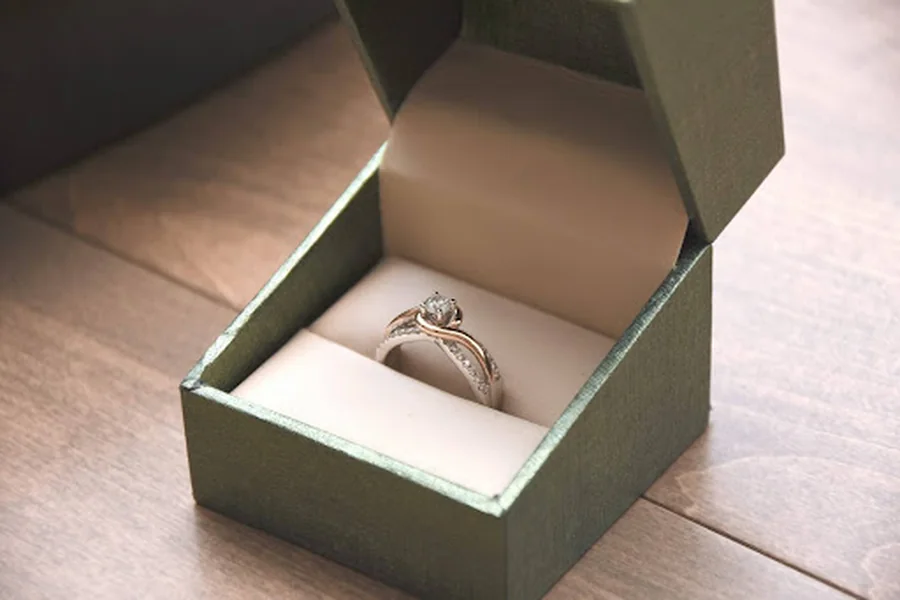
Choosing an engagement ring for a wedding is one of the most significant decisions a couple will make. It is not only a symbol of love and commitment but also a long-term investment in quality, craftsmanship, and timeless beauty. Selecting a high-quality engagement ring requires understanding the key factors that contribute to both the diamond’s brilliance and the overall durability of the piece. Knowing what to look for ensures a confident purchase that will be cherished for decades.
When searching for a high-quality engagement ring for a wedding, it is crucial to prioritise diamond quality, ring design, and craftsmanship. A high-quality ring is defined not by size alone but by how all elements—diamond, setting, and metal—work together to create a piece that is visually stunning, durable, and meaningful. Awareness of these features allows buyers to make informed choices and avoid common pitfalls in engagement ring selection.
Diamond Quality: Understanding the 4Cs
The foundation of any engagement ring is its diamond, and the internationally recognised 4Cs—cut, colour, clarity, and carat—serve as the standard for measuring quality.
- Cut: The cut of a diamond is the single most important factor influencing its brilliance. A precise cut allows light to reflect optimally, creating a sparkle that can outshine larger diamonds with inferior cuts. Buyers should focus on symmetry, proportions, and polish rather than only carat weight.
- Colour: Diamonds are graded on a colour scale from D (colourless) to Z (noticeable tint). Choosing a near-colourless diamond ensures a bright, clear appearance without overpaying for perfection that may not be visible to the naked eye.
- Clarity: Clarity measures the presence of internal or external imperfections, known as inclusions and blemishes. Many inclusions are microscopic and do not affect the diamond’s visual appeal, so eye-clean stones often offer excellent value.
- Carat: Carat refers to a diamond’s weight, not its visual size. While larger diamonds are desirable, balance among the 4Cs ensures the best appearance for your budget.
By evaluating all four aspects together, buyers can select a diamond that combines beauty, value, and long-term appeal.
Craftsmanship and Setting Quality
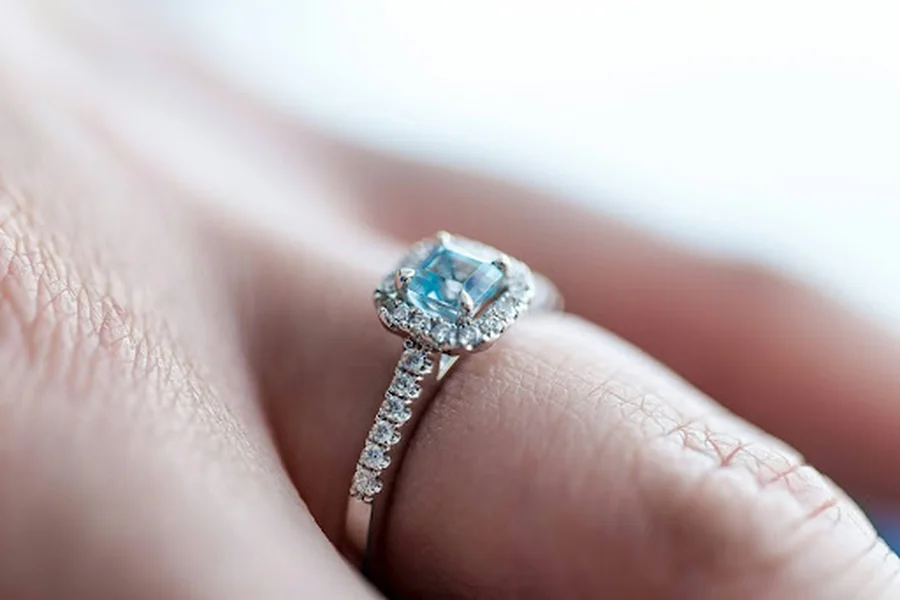
Even the finest diamond requires a well-made setting to shine. The setting determines how securely the stone is held and how much light passes through it. Common settings include solitaire, halo, pavé, and three-stone designs, each providing a distinct style.
High-quality craftsmanship is visible in smooth finishes, symmetrical prongs, and precise metalwork. A poorly crafted setting can reduce the diamond’s brilliance, increase the risk of damage, or cause discomfort during daily wear. A ring that demonstrates both aesthetic appeal and structural integrity is essential for long-term satisfaction.
Metal Choice and Durability
The metal used for the band not only affects appearance but also durability. Platinum, white gold, yellow gold, and rose gold are popular choices.
- Platinum is naturally white, extremely durable, and resistant to tarnish, making it ideal for daily wear.
- White gold provides a similar look but may require periodic re-plating to maintain its shine.
- Yellow and rose gold offer warm, classic tones that complement a range of diamond colours.
Selecting the right metal ensures the ring maintains its beauty over time while matching the wearer’s style and lifestyle.
Proportion, Balance, and Comfort
A well-proportioned ring balances the size of the diamond with the width of the band. A top-heavy design may feel awkward, while a delicate band may not highlight the stone effectively. Comfort is equally important; smooth inner surfaces, suitable band thickness, and practical setting height prevent irritation and snagging.
Certification and Ethical Considerations
Reputable certification from recognised gemological laboratories guarantees authenticity, quality, and ethical sourcing. Buyers should always request certification to verify diamond grading and ensure that the stone meets internationally accepted standards. Ethical sourcing provides peace of mind, confirming the diamond is conflict-free.
Timeless Design and Personalisation
While trends evolve, a high-quality engagement ring should maintain a timeless appeal. Clean lines, balanced proportions, and classic styling create a piece that remains elegant for decades. Customisation options, such as bespoke settings or unique engravings, add personal meaning while preserving long-term sophistication.
Maintenance and Longevity
High-quality engagement rings require proper care to maintain their beauty. Regular inspections, professional cleaning, and gentle handling prevent damage and keep the diamond sparkling. Choosing durable materials and expert craftsmanship reduces the need for repairs and ensures that the ring remains a cherished heirloom.
Conclusion
Selecting a high-quality engagement ring for a wedding goes beyond aesthetics. Diamond quality, expert craftsmanship, durable metals, certification, and timeless design all contribute to a piece that embodies love, commitment, and longevity. By focusing on these essential factors, buyers can confidently choose a ring that not only looks stunning but also endures as a meaningful symbol of a lifelong bond.
