
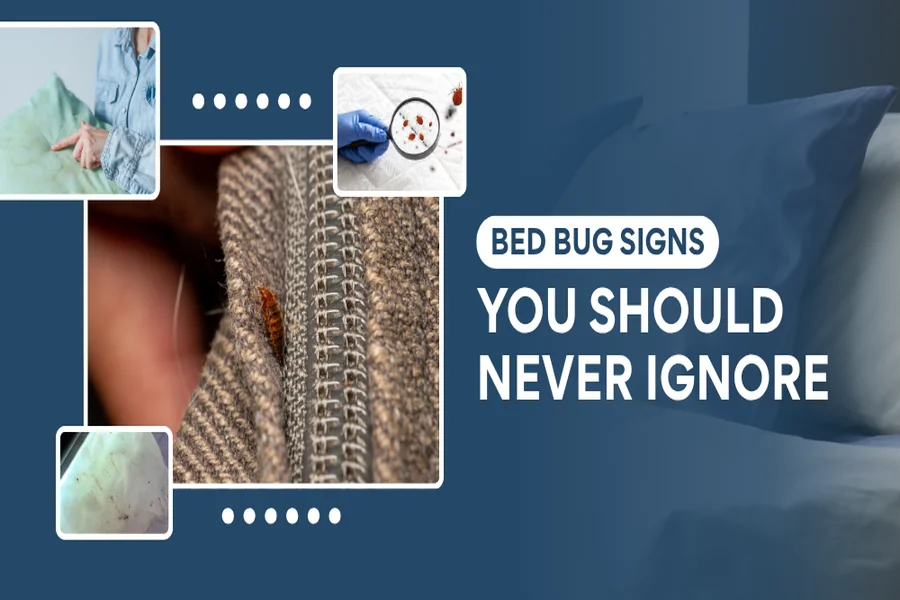
Have you ever dismissed tiny red marks or dark specks on your sheets as nothing? Those small details could be your first clue to a hidden pest problem. The early signs of bed bugs often appear before you even spot the insects themselves, making it easy to overlook them. Moreover, catching these signs early helps you act fast and stop the infestation from spreading. Read on to learn how to identify these signs and protect your home from further issues.
Common Misdiagnosed Symptoms
Bed bug bites often resemble other skin irritations, leading to confusion when identifying their source. The following outlines how to differentiate between them:
A. Rash vs. Bites
- Appearance: Bed bug bites usually form in clusters or lines, known as bed bug bite patterns, while rashes spread unevenly.
- Timing: Bites often appear overnight after sleeping, while rashes can develop at any time.
- Location: Bed bug bites typically affect visible skin areas, such as the arms, legs, and neck, while rashes may occur beneath clothing.
- Reaction: Bites cause mild swelling that fades within days, unlike the lasting irritation of most skin conditions.
B. Itching vs. Allergy
- Level of itchiness: Bed bug bites typically cause localized itching, whereas allergies often result in more widespread discomfort.
- Other symptoms: Allergies often include sneezing or watery eyes, which bed bug bites do not typically cause.
- Pattern recognition: Itching mainly after sleeping often signals bed bug activity.
- Response to treatment: Antihistamines can ease both symptoms, but persistent irritation usually indicates an active infestation.
Visual Early Signs of Bed Bugs
Spotting the early signs of bed bugs enables homeowners to take action before the infestation spreads. The following outlines what to inspect during your inspection:
a. Blood Spots and Fecal Marks
- Minor blood stains: Look for tiny reddish or brown spots on sheets, pillowcases, and mattresses. Crushing bed bugs during sleep often leaves these stains behind.
- Dark fecal marks: Notice dark dots or streaks near seams, headboards, or furniture joints. Bed bugs leave these marks as dried droppings after feeding.
- Cluster patterns: The stains often appear in groups or lines close to sleeping areas, indicating pest activity.
b. Egg Shells and Molted Skins
- Egg shells: Bed bug eggs are white, oval-shaped, and stick firmly to surfaces. Empty shells signal that eggs have recently hatched.
- Molted skins: As bed bugs grow, they shed clear, paper-like skins that collect near the seams of mattresses or the edges of furniture.
- Combined signs: Finding eggs, skins, and stains together confirms the early signs of bed bugs and indicates the need for immediate treatment.
If you suspect a bed bug infestation, it’s crucial to act swiftly to prevent it from worsening. One effective step is to consult professionals who specialize in pest management. Experts can accurately assess the situation and implement targeted solutions to eradicate these pests. For those residing in the Delaware area, reaching out to the Delaware Pest Control Xperts can provide peace of mind. Their team is equipped with the latest techniques and knowledge to handle infestations efficiently. Remember, early intervention is key to minimizing the impact of bed bugs on your home and health.
Smell, Movement, and Furniture Hiding Spots
Meanwhile, bed bugs leave noticeable signs even before you see them. Knowing how to check for bed bugs helps detect these clues early and prevents the problem from spreading. The following describes what to look for and where to inspect carefully:
A. Musty Odor in Corners
- Notice the scent: Bed bugs release a musty, sweet odor that becomes stronger in enclosed spaces.
- Check likely areas: The smell often collects in corners, under mattresses, and near walls where bed bugs hide.
- Act quickly: A consistent odor typically indicates an active infestation that requires immediate attention.
B. Behind Beadboards, Baseboards
- Inspect headboards: Bed bugs often hide in cracks and joints behind headboards attached to walls.
- Look along baseboards: The small gaps between walls and floors offer easy shelter close to sleeping areas.
- Search nearby furniture: Check nightstands, picture frames, and cushions where bed bugs may gather.
Tools for At-Home Detection
Early detection prevents a small problem from becoming a full infestation. Additionally, using the right tools makes it easier to confirm bed bug activity and respond quickly. Consider the following methods to make at-home detection simple and effective:
a. Passive Monitors
- Placement: Position monitors under bed legs and near furniture where bed bugs are most likely to travel.
- How they work: The devices trap bed bugs as they move between hiding areas and feeding spots.
- Why they help: Regular monitoring reveals early signs of activity without interrupting daily routines.
b. Flashlight + Card Method
- Inspection technique: Use a flashlight and a stiff card to check mattress seams, furniture joints, and wall edges.
- Effective reach: The card helps uncover bugs or eggs hidden in narrow cracks.
- Best practice: Inspect one area at a time and move slowly to make sure you don’t miss anything.
When to Contact a Professional
Furthermore, knowing when to call an expert prevents small infestations from growing. Acting early ensures effective results and minimizes treatment costs. The following highlights when professional help becomes necessary:
A. Confirmation and Estimate
- Confirm the infestation: If you suspect possible bed bug activity, schedule an inspection with experts to verify the presence of the infestation.
- Request a detailed estimate: Ask for a clear outline of treatment options, timelines, and costs before the service begins.
- Use specialized tools: Professionals rely on detection devices that locate hidden pests beyond what a visual check can reveal.
B. Multi-Room Spread Warning
- Look for activity in multiple rooms: If bed bugs appear in several areas, professional treatment becomes essential.
- Act before they spread further: Early action limits the distance bed bugs can travel and helps contain the problem.
- Schedule full-home service: Professionals treat all affected rooms at once, preventing bed bugs from moving between spaces.
Act Fast to Protect Your Home!
Bed bugs can spread quickly, but early awareness gives you the advantage. Therefore, knowing how to check for bed bugs and spotting bed bug bite patterns early can save you from stress and costly extermination. These pests often hide in mattresses, furniture, and even behind baseboards, so regular inspection is key to keeping your home safe. If you suspect their presence, visit early signs of bed bugs to find practical solutions and prevent an infestation from growing out of control.
