
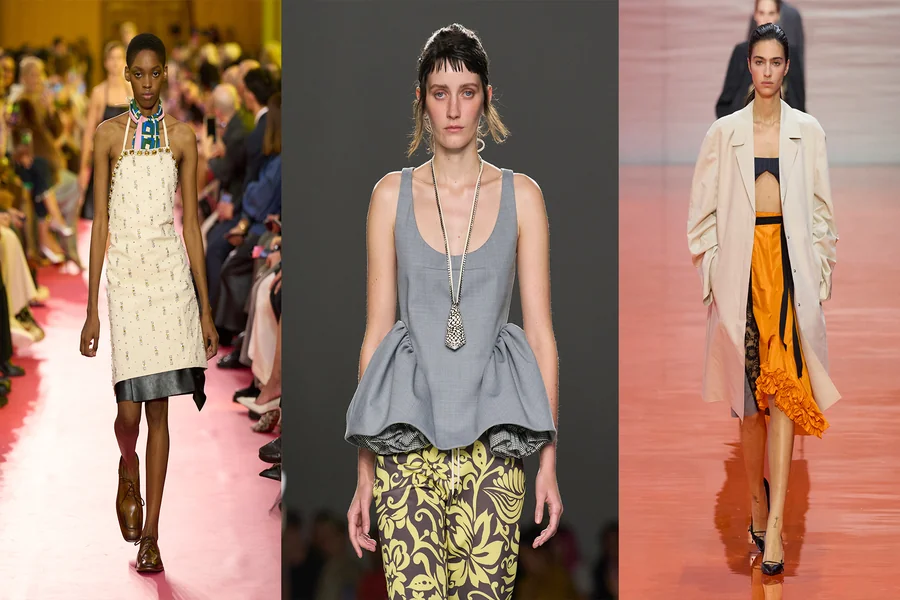
In 2026, accessorising has evolved far beyond simple statements of fashion—it has become a sophisticated interplay of technology, sustainability, and individuality. As the world moves further into a digital-first era while simultaneously embracing a renewed appreciation for tangible artistry, the way we complement our outfits is transforming in remarkable ways. Accessories are no longer just decorative; they are tools of self-expression, functionality, and even environmental consciousness.
The Rise of Smart Accessories
One of the most significant trends defining accessorising in 2026 is the integration of technology into everyday wear. Smart watches are no longer just for tracking fitness or receiving notifications—they now double as style statements. Designers have embraced sleek, modular forms, allowing wearers to swap straps, face designs, and digital displays to match their outfit, mood, or even location. When selecting these high-tech timepieces, choosing a reliable luxury watch retailer ensures both authenticity and lasting quality. Beyond watches, we are seeing the emergence of smart rings, necklaces, and even brooches that interact with your devices, offer health insights, or even change color in response to environmental conditions.
Augmented reality (AR) is also shaping accessory design. AR glasses have moved from niche tech to mainstream fashion, with frames now considered an essential part of one’s look. In 2026, you might wear a pair of glasses that project subtle digital patterns around your eyes or offer customizable lenses that adapt to different lighting and style preferences. This fusion of fashion and technology is redefining the concept of accessorising as something dynamic, interactive, and deeply personal.
Sustainability as Style
Sustainability has moved from a niche concern to a central pillar of fashion in 2026. Consumers are increasingly seeking accessories that reflect their environmental values. Recycled metals, lab-grown gemstones, and biodegradable fabrics dominate the market, often paired with transparency about sourcing and production. Vintage and upcycled accessories have also seen a resurgence, not just for their eco-conscious appeal but for their uniqueness. Every scratch, patina, and imperfection tells a story, offering a sense of individuality that mass-produced items cannot replicate.
Additionally, multi-purpose accessories are on the rise. Bags that transform into wearable tech stations, jewelry that doubles as compact solar chargers, and scarves that function as protective wearables are all part of a movement toward mindful consumption. Fashion in 2026 is increasingly about making thoughtful choices that reduce waste while enhancing personal style.
Bold Minimalism and Personal Expression
Minimalism has always had its place in fashion, but in 2026, it is balanced with bold, experimental pieces that allow for individual expression. The trend of “bold minimalism” encourages statement accessories without overwhelming the outfit. Think oversized geometric earrings, sculptural handbags, or a single vibrant ring paired with otherwise understated attire. The idea is to let accessories convey personality, mood, and creativity, turning even the simplest outfit into a conversation starter.
Personalization is at the forefront of accessory design. Monograms, custom engravings, and bespoke color palettes are now standard, allowing wearers to create pieces that reflect their identity. AI-assisted design tools help users conceptualize and visualize unique accessories, from rings that mirror their personality traits to necklaces that incorporate astrological or biometric elements. The result is a fashion landscape where individuality is celebrated through every detail.
Gender Fluidity in Accessorising
The boundaries between traditionally “male” and “female” accessories have largely dissolved in 2026. Designers are embracing gender fluidity, creating pieces that appeal to all identities. Watches, necklaces, and handbags are no longer confined by conventional norms; instead, they are judged by their aesthetic impact and functional value. This shift has led to more daring and experimental designs, allowing wearers to mix textures, metals, and materials without concern for outdated gendered expectations. The message is clear: accessorising is about personal expression, not societal rules.
Color and Texture Innovations
Color trends in 2026 are vibrant and dynamic, influenced by advances in material science and digital integration. Iridescent and color-changing materials are becoming more common, particularly in jewelry and handbags. Imagine a necklace that subtly shifts hues as it moves through light or a purse that changes tone depending on your outfit or mood. These innovations allow for unprecedented versatility and creativity in accessorising.
Textures, too, are being explored in imaginative ways. 3D-printed jewelry, leather alternatives made from fungi or algae, and metallic weaves are just a few examples of how designers are pushing tactile boundaries. The combination of innovative textures and futuristic colors allows accessories to stand out as artful statements while remaining practical for everyday wear.
Layering and Modular Design
Layering has always been a classic approach to accessorising, but in 2026, modular design takes it to a new level. Interchangeable chains, stackable rings, and customizable bracelets allow wearers to mix and match elements to suit the occasion, mood, or outfit. These pieces are designed for longevity and adaptability, reflecting a shift away from fast fashion and toward curated, versatile wardrobes. The modular approach not only adds depth to styling but also encourages creative experimentation, making accessorising a playful yet sophisticated endeavor.
The Social Dimension of Accessories
Accessories in 2026 are not just personal—they are social signals. With AR and smart devices, accessories can convey information to others in subtle ways, from indicating mood or availability to showcasing achievements or affiliations. The blending of digital and physical expression means that what you wear is both a personal statement and a social interaction.
Conclusion
Accessorising in 2026 is about more than aesthetics; it is a reflection of identity, values, and creativity. From tech-integrated jewelry and AR-enhanced eyewear to sustainable, personalized, and gender-fluid designs, accessories are transforming into multifunctional statements that merge art, technology, and ethics. Bold minimalism, modular layering, and innovative textures ensure that personal style is no longer confined to the limits of clothing—it extends into every object we wear, creating a future where accessorising is as dynamic, expressive, and unique as the individuals themselves.
As we embrace this new era, the ultimate rule of accessorising in 2026 is simple: choose pieces that resonate with who you are, reflect your values, and inspire confidence. Accessories are no longer mere adornments—they are extensions of the self, technologically empowered, environmentally conscious, and profoundly personal. The future of style is here, and it’s brilliantly accessorised.
