
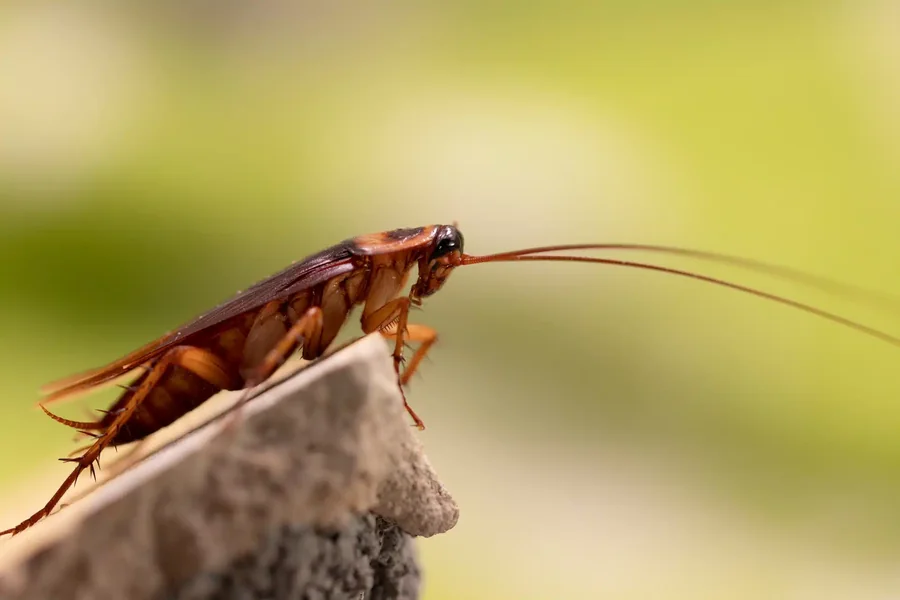
Cockroaches are notorious for their adaptability and resilience, thriving in a wide range of environments, including those with low humidity. Despite the arid conditions found in many regions, these pests are frequently discovered hiding near water sources such as sinks, drains, and leaky pipes. Their persistent presence in such locations raises questions about their survival strategies and the reasons behind their attraction to moisture, even when the surrounding environment is dry. Understanding why cockroaches seek out water sources in low-humidity areas is essential for effective pest management and prevention, especially in homes and businesses where these insects can become a significant nuisance.
Why cockroaches seek water in dry areas
Cockroach biology and the need for moisture
Cockroaches are highly adaptable insects, but their biology makes them dependent on moisture for survival. Their exoskeletons are not completely waterproof, which means they lose water through evaporation, especially in dry environments. To compensate for this water loss, cockroaches instinctively seek out areas where moisture is present. Water is crucial for their physiological processes, including digestion, reproduction, and molting. In low-humidity regions, the scarcity of ambient moisture intensifies their need to find reliable water sources. This is why even in arid climates, cockroaches are often found congregating near sinks, bathrooms, and other damp areas within buildings. Their ability to detect even small amounts of moisture allows them to survive in places where other pests might not thrive. The presence of water not only sustains them but also provides a more favorable microclimate, reducing the stress caused by dry air and helping them avoid dehydration.
How cockroaches locate water sources indoors
Cockroaches possess highly sensitive antennae and chemoreceptors that enable them to detect moisture from considerable distances. These sensory adaptations allow them to navigate toward water sources, even when humidity levels in the surrounding environment are low. Indoors, cockroaches are drawn to areas where water is consistently available, such as under refrigerators, around leaking pipes, and inside bathroom cabinets. Their nocturnal habits further aid their search, as they are most active at night when human activity is minimal and water sources are less likely to be disturbed. The ability to exploit even the smallest leaks or condensation gives cockroaches a survival advantage in dry climates. For property owners in arid regions, this behavior underscores the importance of regular maintenance and prompt repair of plumbing issues to reduce the likelihood of infestations. Effective cockroach control Salt Lake City often begins with addressing these hidden water sources, as eliminating access to moisture can significantly reduce the attractiveness of a property to these persistent pests.
The role of water in cockroach survival
Water is not just a convenience for cockroaches; it is a necessity. Without access to water, most cockroach species can only survive for about a week, whereas they can live for up to a month without food. This stark difference highlights the critical role that water plays in their survival. In low-humidity regions, the challenge of finding water becomes even more pronounced, driving cockroaches to seek out any available source. They are capable of extracting moisture from a variety of places, including condensation on pipes, pet water bowls, and even the residue left in sinks or showers. This relentless search for water explains why infestations often persist despite efforts to keep living spaces clean and free of food debris. The presence of water not only sustains individual cockroaches but also supports the growth of their populations, as it enables females to lay eggs and nymphs to develop properly. For this reason, controlling moisture is a fundamental aspect of any long-term cockroach management strategy.
Cockroach behavior in arid environments
In arid environments, cockroaches exhibit specific behaviors that help them cope with the lack of ambient moisture. They tend to be more secretive, spending most of their time in dark, secluded areas where humidity is slightly higher than in open spaces. These insects are also more likely to be found in groups, as clustering helps reduce water loss by creating a microenvironment with elevated humidity. Cockroaches may alter their activity patterns, becoming more active during the coolest parts of the night when evaporation rates are lower. Their ability to exploit even minimal sources of water, such as condensation or the moisture in organic debris, allows them to persist in conditions that would be inhospitable to many other pests. Understanding these behavioral adaptations is crucial for developing effective prevention and control measures, as it highlights the importance of targeting not just food sources but also the hidden reservoirs of moisture that sustain cockroach populations.
Quick facts about cockroach water needs
Cockroaches can lose water rapidly in dry environments, making access to moisture essential for their survival. Even small leaks or condensation can provide enough water to sustain a population. Their ability to detect and exploit these sources is a key reason why they are so persistent in homes and businesses, regardless of the surrounding climate.
Preventing cockroach infestations in low-humidity regions
Preventing cockroach infestations in low-humidity regions requires a proactive approach focused on eliminating their access to water. Regularly inspecting plumbing for leaks, promptly repairing any issues, and ensuring that sinks and bathtubs are dry overnight can significantly reduce the availability of moisture. Sealing cracks and crevices around pipes and fixtures helps prevent cockroaches from accessing hidden water sources. Proper ventilation in kitchens and bathrooms can also help reduce humidity levels, making these areas less attractive to pests. In addition to moisture control, maintaining a clean environment by removing food debris and storing food in sealed containers further discourages cockroach activity. For those living in arid climates, these measures are especially important, as cockroaches will go to great lengths to find the water they need to survive. By addressing both food and water sources, property owners can create an environment that is far less hospitable to these persistent insects.
Conclusion
Cockroaches’ tendency to hide near water sources, even in low-humidity regions, is a direct result of their biological need for moisture. Their survival depends on finding and exploiting any available water, which drives them to seek out sinks, pipes, and other damp areas within buildings. Understanding this behavior is essential for effective prevention and management, as it highlights the importance of addressing not just food sources but also hidden reservoirs of moisture. By maintaining plumbing, reducing indoor humidity, and keeping living spaces clean, property owners can significantly reduce the risk of cockroach infestations, even in the driest of climates. Taking these steps not only helps control current pest problems but also prevents future invasions, ensuring a healthier and more comfortable living environment.
