
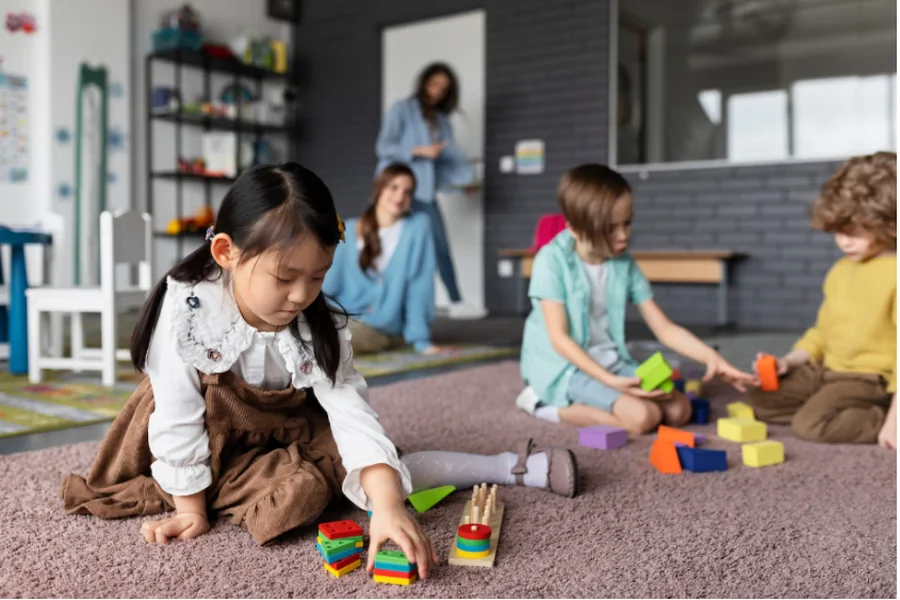
Early childhood education is a critical stage in a child’s development, shaping how they learn, interact, and adapt as they grow. A kindergarten in Singapore is widely recognised for offering a balanced approach that combines academic preparation with emotional and social development. Parents often seek clarity on how kindergartens operate, what values they promote, and how they prepare children for formal schooling. Understanding the structure and philosophy behind kindergarten education in Singapore can help families make informed choices that support long-term learning success.
The Importance of Early Childhood Education
The early years of a child’s life are a period of rapid growth, where cognitive abilities, emotional resilience, and social awareness are formed. Kindergarten education plays a vital role in guiding this development by providing structured learning in a nurturing environment. Exposure to age-appropriate activities helps children build confidence, curiosity, and independence.
A kindergarten in Singapore focuses not only on early literacy and numeracy but also on developing communication skills, self-regulation, and problem-solving abilities. Parents seeking high-quality early education may consider options such as Small Wonder kindergarten in Singapore, which provides a nurturing environment tailored to each child’s growth. These formative experiences influence how children approach learning in later years, making kindergarten a crucial foundation rather than merely a preparatory stage.
Understanding the Kindergarten System in Singapore
A typical kindergarten in Singapore caters to children aged five to six, usually across two levels that prepare them for entry into primary school. The education system emphasises consistency, quality, and accessibility, ensuring that children receive meaningful early learning experiences regardless of background.
The curriculum is designed to be structured yet flexible, allowing children to learn through guided activities, play, and exploration. This balance ensures that learning remains engaging while meeting developmental milestones. Teachers are trained to support children individually, recognising that each learner progresses at a different pace.
Curriculum and Learning Approach
The curriculum in a kindergarten in Singapore prioritises holistic development. Language skills are developed through storytelling, conversation, and early reading activities, while numeracy is introduced using practical, hands-on experiences. These methods encourage understanding rather than memorisation, allowing children to grasp concepts naturally.
Creative expression is also an essential part of the learning process. Art, music, movement, and imaginative play help children develop fine motor skills and emotional awareness. Through these activities, children learn to express themselves confidently and work collaboratively with others.
Social and Emotional Development
Social interaction is a key focus in any kindergarten in Singapore. Children are encouraged to share, cooperate, and communicate respectfully with peers and teachers. These interactions help build empathy, patience, and emotional intelligence, which are essential life skills.
Emotional development is supported through consistent routines and positive reinforcement. Teachers guide children in understanding their emotions, resolving conflicts, and adapting to new situations. This supportive environment helps children feel secure and confident, enabling them to engage more fully in learning.
The Role of Educators
Educators play a central role in shaping the kindergarten experience. In a kindergarten in Singapore, teachers are trained to observe children closely and adapt lessons to suit different learning styles. This personalised approach ensures that children receive the guidance they need while being encouraged to explore independently.
Strong communication between educators and parents is also emphasised. Regular feedback helps parents understand their child’s progress and reinforces learning at home. This partnership creates consistency and strengthens the overall educational experience.
Preparing Children for Primary School
One of the main objectives of a kindergarten in Singapore is to prepare children for the transition to primary education. This preparation extends beyond academic readiness to include discipline, independence, and adaptability. Children learn to follow routines, manage simple responsibilities, and develop confidence in structured settings.
By the end of kindergarten, children are generally familiar with classroom expectations and learning habits, making the transition to primary school smoother and less overwhelming. This readiness supports long-term academic success and emotional well-being.
Common Questions About Kindergarten in Singapore
Parents often ask about the appropriate age for kindergarten and whether it is compulsory or free. In Singapore, kindergarten typically includes two levels designed for children around five and six years old. While kindergarten education is not entirely free, financial support and subsidies are available to help make it more accessible to families.
Understanding these aspects allows parents to plan effectively and choose an option that aligns with their child’s developmental needs and family circumstances.

Conclusion
A kindergarten in Singapore provides more than early academic instruction; it offers a carefully structured environment that supports intellectual, social, and emotional growth. Through a holistic curriculum, skilled educators, and a focus on school readiness, children develop the confidence and skills needed for future learning. For parents seeking a nurturing yet structured start to their child’s education, kindergarten in Singapore represents a meaningful investment in lifelong development and success.
