
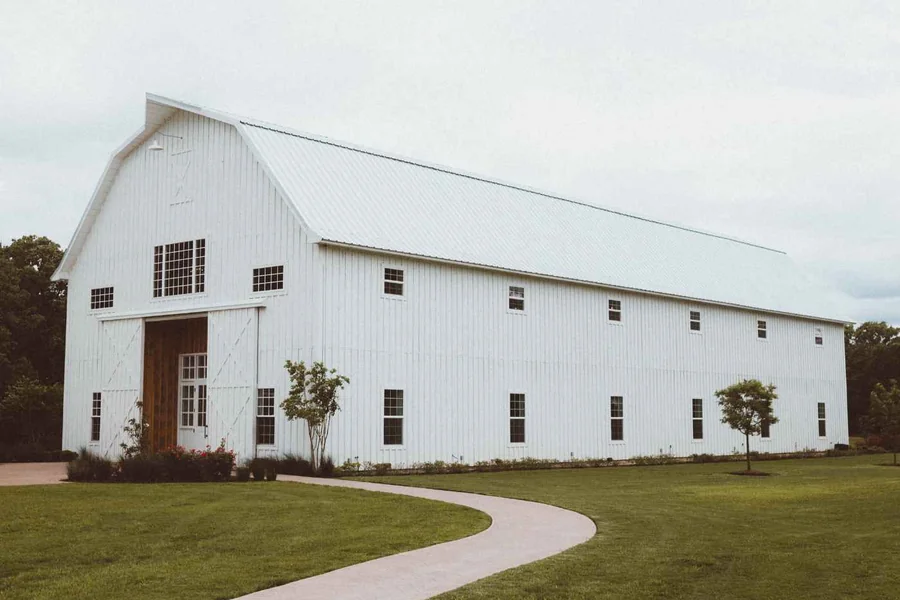
Building your first pole barn represents a significant investment that can add tremendous value and functionality to your property. Whether you’re planning agricultural storage, workshop space, equipment housing, or recreational facilities, proper planning ensures your pole barn meets your needs while avoiding costly mistakes and regrets. First-time builders often underestimate the complexity of decisions involved in creating structures that will serve them for decades. Understanding essential planning factors before breaking ground helps you make informed choices that balance budget constraints with long-term functionality, resulting in pole barns that deliver lasting satisfaction and performance.
Purpose and Future Needs Assessment
The most critical planning factor involves clearly defining your pole barn’s primary purpose and anticipating future requirements that might emerge over time. Many first-time builders design structures for immediate needs without considering how their circumstances might change within five or 10 years. A barn adequate for current equipment storage may prove inadequate when you expand operations or acquire larger machinery. Workshop space designed for hobbyist activities might need to accommodate professional business operations down the road. Agricultural storage requirements often increase as farms grow and diversify. Smart planning incorporates flexibility for future expansion or adaptation, whether through oversized dimensions that provide growth room, structural designs accommodating additions, or layouts allowing easy reconfiguration. Consider electrical capacity beyond current needs, door sizes that accommodate larger equipment than you currently own, and ceiling heights providing vertical storage options. This forward-thinking approach costs relatively little during initial construction but saves enormously compared to later modifications or complete rebuilds.
Site Selection and Preparation Requirements
Location decisions profoundly impact your pole barn’s functionality, construction costs, and long-term satisfaction. Evaluate potential sites for drainage patterns, as poor water management creates foundation problems, interior moisture issues, and access difficulties during wet seasons. Consider sun exposure and prevailing winds, which affect interior temperature control and energy efficiency for climate-controlled spaces. Assess proximity to utilities if your barn requires electricity, water, or internet connectivity, as extending services over long distances increases costs substantially. Evaluate access routes for construction equipment and future use, ensuring adequate maneuvering room for delivery trucks, trailers, and machinery. Investigate setback requirements, easements, and zoning restrictions that might limit placement options or require variance applications. Site preparation costs vary dramatically based on terrain, with sloped lots requiring extensive grading and rocky soil demanding specialized equipment. Understanding these factors before finalizing plans prevents expensive surprises during construction and ensures your chosen location truly serves your operational needs.
Building Codes and Permit Navigation
First-time pole barn builders frequently underestimate regulatory requirements governing construction projects. Local building codes specify structural standards for snow loads, wind resistance, and seismic considerations based on your geographic location. These requirements directly affect design specifications, material choices, and construction techniques that must be incorporated into your plans. Permit processes vary by jurisdiction, with some areas requiring detailed engineered drawings, multiple inspections, and lengthy approval timelines. Failing to secure proper permits creates liability issues, complicates property sales, and may require expensive corrections or even demolition if discovered later. Some insurance companies refuse coverage for unpermitted structures, leaving you financially exposed. Understanding code requirements early in planning ensures designs meet all standards while permit timelines are incorporated into construction schedules. Many successful first-time builders work with experienced contractors who navigate these regulatory complexities efficiently, preventing delays and ensuring compliance.
Budget Planning Beyond Base Construction
Realistic budget planning accounts for all project costs, not just the pole barn structure itself. Site preparation, foundation work, utility connections, and access road improvements often add thousands to base construction estimates. Interior finishing, insulation, electrical systems, and climate control represent additional expenses that transform basic storage into functional workspace. Consider ongoing costs including property tax increases, insurance premiums, and maintenance requirements when evaluating affordability. Many first-time builders focus exclusively on initial construction costs without budgeting for doors, windows, gutters, and other essential components that significantly impact total investment. Building in phases allows budget flexibility, completing the basic structure initially while deferring interior finishing or optional features until finances permit.
Contractor Selection and Quality Assurance
Perhaps the most consequential planning decision involves choosing experienced builders who deliver quality craftsmanship and stand behind their work. Choosing the right company, like Quality Structures, ensures your project benefits from expertise, proven construction methods, and materials that meet industry standards for durability and performance. Experienced contractors help refine plans, identify potential problems before they arise, and execute construction efficiently while maintaining quality throughout the process. Their knowledge prevents common first-time builder mistakes that compromise structural integrity or long-term functionality.
