
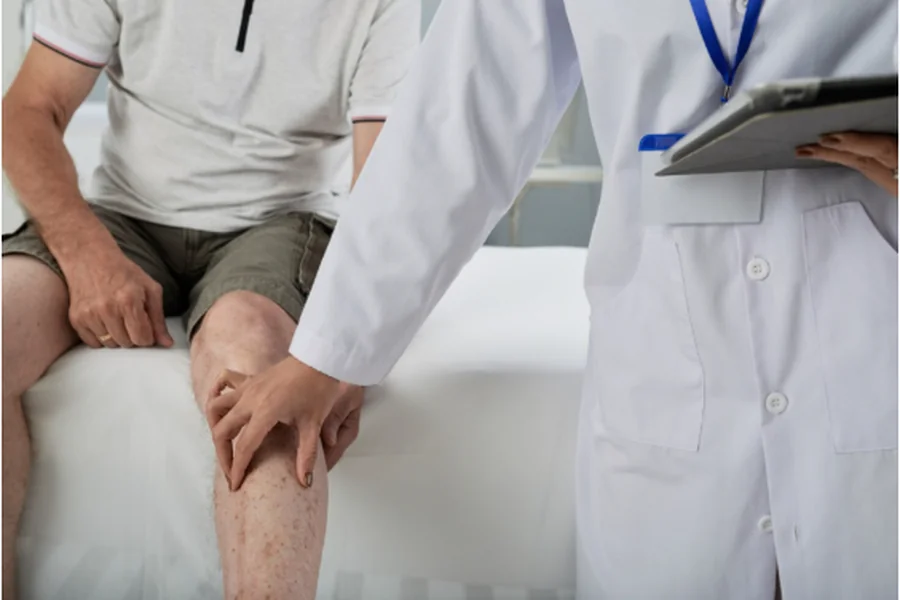
The anterior cruciate ligament (ACL) is one of the key stabilising ligaments in the knee. It plays a crucial role in maintaining knee stability, particularly during activities that involve sudden stops, changes in direction, or jumping. ACL injuries are common among athletes, but they can also occur from falls, accidents, or everyday activities.
When the ACL is torn or severely damaged, reconstruction surgery from where to get ACL surgery, may be recommended to restore knee stability, prevent further damage, and allow patients to return to their normal activities safely.
Preparing for ACL Reconstruction Surgery
Before undergoing ACL reconstruction, patients undergo a thorough evaluation, including a physical examination, imaging tests such as MRI scans, and a review of medical history. The surgeon will discuss the severity of the injury, treatment options, and expected outcomes.
Preoperative preparation often includes strengthening exercises to improve surrounding muscles, which can enhance recovery and support knee stability after surgery. Patients may also receive guidance on nutrition, medications, and lifestyle adjustments to optimise surgical success and reduce complications.
The Surgery Process
ACL reconstruction surgery involves replacing the damaged ligament with a graft, which may be taken from the patient’s own tendon (autograft) or a donor tendon (allograft). The procedure is usually performed arthroscopically, using small incisions and a camera to guide the surgeon.
During the surgery, the torn ACL is removed, and the new graft is positioned and secured within the knee. The operation typically lasts one to two hours and is performed under general or regional anaesthesia. Surgeons aim to restore the knee’s natural stability while minimising tissue damage and promoting faster recovery.
Post-Surgery Recovery and Rehabilitation
Recovery from ACL reconstruction requires time, patience, and commitment to a structured rehabilitation program. Initially, patients may need crutches and a knee brace to support the joint while reducing strain on the healing graft. Pain management and swelling reduction are critical during the first few weeks.
Physical therapy is a cornerstone of recovery. A tailored program focuses on restoring range of motion, rebuilding strength, improving balance, and gradually reintroducing activity. Progression is carefully monitored by healthcare professionals to ensure the knee heals properly and to prevent re-injury.
Most patients can return to light activities within a few weeks, but full recovery, including high-impact sports, often takes six to twelve months, depending on individual factors, age, and adherence to rehabilitation.
Risks and Considerations
Like any surgical procedure, ACL reconstruction carries potential risks. These may include infection, blood clots, graft failure, or stiffness in the knee. Choosing an experienced orthopaedic surgeon and following post-operative instructions significantly reduces these risks.
Patients need to understand that outcomes vary. Factors such as the severity of the initial injury, the type of graft used, and commitment to rehabilitation play a major role in achieving a successful recovery and returning to previous levels of activity.
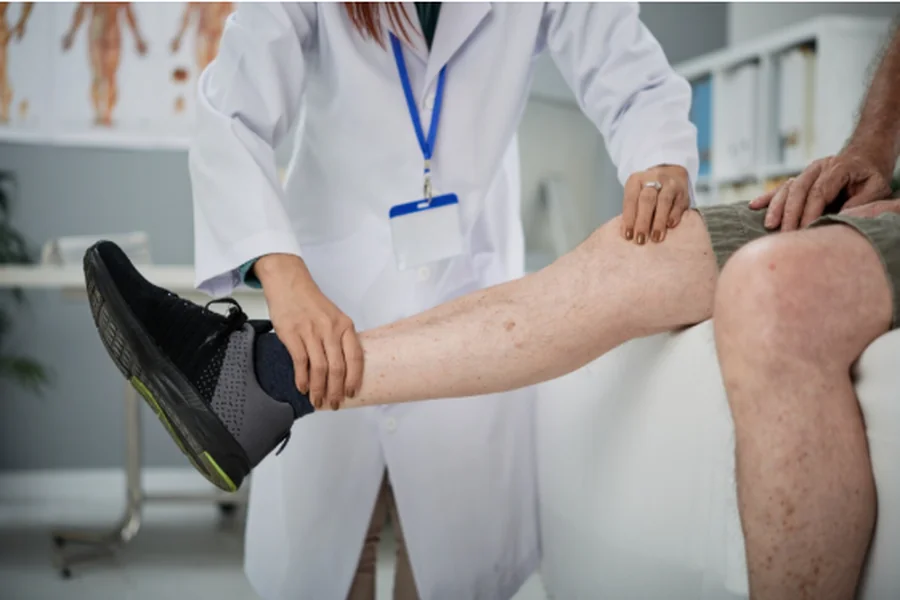
Tips for a Successful Recovery
Adhering to the rehabilitation plan, attending follow-up appointments, and maintaining communication with the healthcare team are essential for a smooth recovery. Patients should also focus on overall health, including proper nutrition, adequate rest, and avoiding activities that could strain the knee prematurely.
Mental preparation and patience are equally important. Recovery can be a gradual process, and setting realistic goals helps maintain motivation and ensures steady progress toward regaining full function.
Conclusion
ACL reconstruction surgery is a highly effective procedure for restoring knee stability and function following ligament injuries. Proper preoperative preparation, careful surgical execution, and dedicated rehabilitation are crucial for successful outcomes.
By understanding what to expect before, during, and after surgery, patients can approach the process with confidence, optimise recovery, and return to their normal activities safely. Consulting an experienced orthopaedic surgeon and following a structured rehabilitation plan ensures the best chance of long-term success.
FAQs
What is ACL reconstruction surgery?
It is a procedure to replace a torn or damaged anterior cruciate ligament in the knee using a graft, restoring stability and function.
How long does recovery take?
Full recovery, including return to sports, typically takes six to twelve months, depending on individual progress and adherence to rehabilitation.
Can I walk immediately after ACL surgery?
Patients usually use crutches and a knee brace initially, progressing gradually to weight-bearing activities as guided by their rehabilitation plan.
What are the risks of ACL reconstruction?
Risks include infection, graft failure, stiffness, or blood clots, but careful surgical technique and proper post-operative care reduce these risks.
How can I ensure a successful recovery?
Follow your rehabilitation program, attend follow-ups, maintain communication with your healthcare team, and focus on overall health and safe activity progression.
