
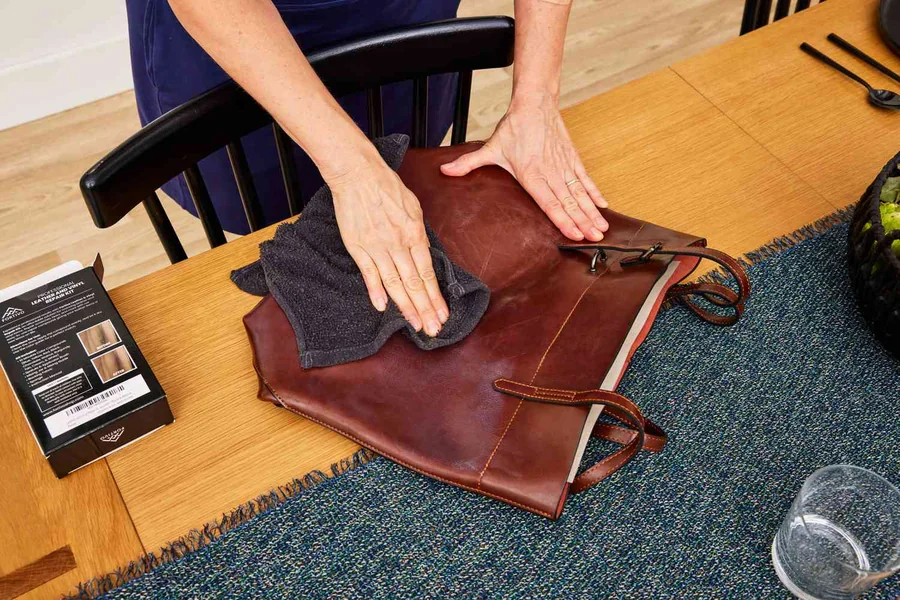
Most people don’t think about leather restoration until something breaks. A cracked sofa arm, a split car seat seam, or a worn handbag can appear suddenly. The typical reaction is to hop online and search for leather repair near me. But once results appear, it’s difficult to separate true specialists from general handymen or upholstery shops that occasionally “do leather.” A sprayer and a dye bottle don’t make someone a professional.
Leather restoration is both technical and artistic. Unlike upholstery replacement, where material is swapped out, proper repair keeps the original leather intact. A trained expert understands leather types, coating systems, color theory, and how to restore texture without overpainting. Using the wrong cleaner or coating can permanently damage the item, so choosing the right technician matters.
What Real Leather Repair Includes
A qualified leather repair technician does more than recolor the surface. Typical steps include:
- Cleaning and degreasing
• Repairing cracks or peeling
• Filling worn areas
• Custom dye mixing
• Applying a protective topcoat
Good repair work blends seamlessly — the leather shouldn’t look painted.
Why Leather Type Matters
Correct repairs start with identifying the material. A competent expert should know the difference between protected leather, aniline, semi-aniline, suede, nubuck, and vinyl. Each material reacts differently to cleaners, dyes, and bonding agents. If the technician cannot identify the leather, they won’t know how to treat it.
Experience Matters More Than Tools
Some businesses buy a beginner kit online and start offering repair services. However, real expertise comes from hundreds of hours practicing color matching, adhesion, and texture blending.
Look for:
- Real project photos (close-up, not stock images)
• Clear description of the process
• Consistent results across multiple pieces
If a shop hides their work, be cautious.
How to Evaluate a Leather Repair Expert
Ask questions such as:
- Do you specialize in leather, or is it a side service?
• What products do you use?
• Do you mix colors on-site for a perfect match?
• Will you blend the repair into the surrounding panel?
• Do you offer a workmanship warranty?
Professionals use high-quality coatings, custom dye systems, and proper blending techniques. Someone using generic paint or promising a fast one-coat fix is cutting corners.
Repair vs. Replacement
Repair preserves original leather. Replacement involves sewing or stapling on new material. A trustworthy technician will recommend replacement if leather is brittle, torn, or structurally failing.
Price vs. Quality
Repair costs vary, but extremely cheap quotes are a warning sign. High-quality coatings, training, and equipment cost money — bargain pricing usually means low-grade materials that peel or crack later.
Mobile Repair
For sofas, commercial seating, medical tables, or large pieces, on-site repair saves time and avoids moving heavy furniture. Many leather specialists offer mobile service and bring all equipment to the client.
Red Flags to Avoid
Walk away if:
- They refer to the process as “painting the leather.”
• They can’t show a portfolio.
• The quote seems unrealistically low.
• They pressure for full payment before work begins.
A good technician will explain every step.
Why Local Expertise Matters
Local restoration specialists understand environmental factors like humidity and sun exposure, and they can inspect the item in person. And if you’re searching for leather repair in Minneapolis, choosing someone nearby means faster scheduling, easier communication, and accountability. Local technicians often work with furniture stores, auto detailers, and commercial facilities and are experienced with high-value pieces.
Conclusion
Choosing the right leather repair professional isn’t about picking the first search result. It’s about selecting someone with the skill, training, and craftsmanship to preserve your leather rather than hide the damage. Review portfolios, ask questions, and focus on quality — the right technician extends the life of your furniture, car interior, or handbag and restores both durability and appearance.
