
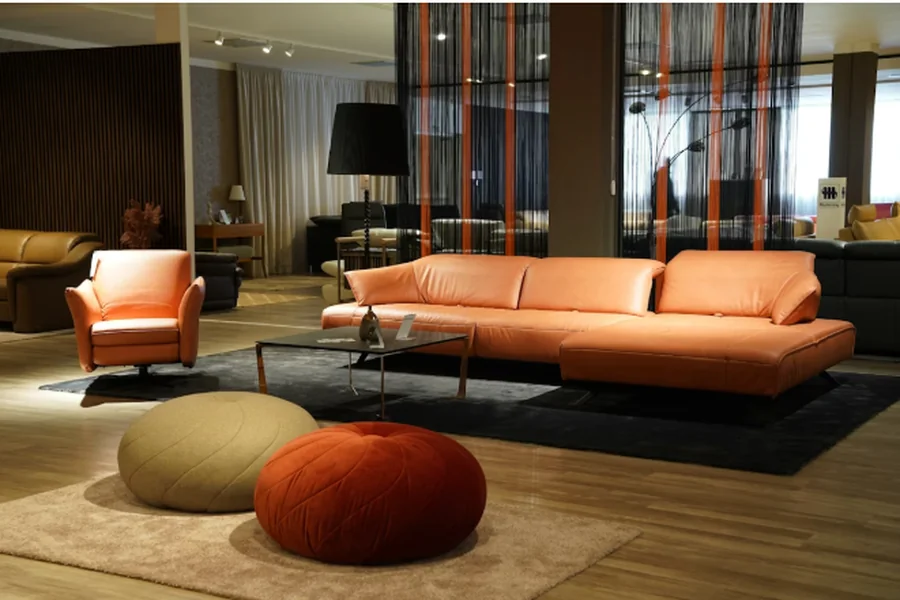
Transforming a living space involves more than structural updates or decorative adjustments. Brands such as Aratamete – Luxury Soft Furnishings exemplify how refined textiles and bespoke detailing can elevate interiors with sophistication and comfort. It requires thoughtful design choices that reflect lifestyle, comfort and personal taste. Among the most effective ways to reshape an interior is through the considered use of luxury soft furnishings. Carefully selected textiles, textures and finishes can redefine a room, adding depth, comfort and individuality while enhancing overall cohesion.
The Importance of Soft Furnishings in Interior Design
Luxury soft furnishings include cushions, throws, curtains, blinds and upholstered elements. While often viewed as decorative features, they serve practical purposes within a space. They introduce texture, soften architectural lines and contribute to acoustic comfort by reducing echo. In open-plan or high-ceilinged rooms, textiles can significantly improve sound quality while maintaining visual appeal.
Soft furnishings also play a central role in shaping a room’s visual identity. In neutral interiors, richly coloured cushions or textured fabrics can introduce warmth and contrast without requiring structural change. In minimalist environments, subtle patterns or layered textiles can add dimension while preserving simplicity. Their adaptability allows interiors to evolve with changing preferences or seasonal adjustments.
Selecting Materials for Lasting Quality
Material selection is fundamental when investing in luxury soft furnishings. High-quality fabrics enhance both tactile experience and durability. Silk is valued for its smooth finish and understated sheen and is often used in drapery or accent pieces. Velvet remains a popular choice due to its depth of colour and soft texture, lending a sense of refinement to both contemporary and traditional spaces.
Natural fibres such as cotton and wool continue to hold strong appeal. Cotton offers breathability and versatility, while wool provides insulation and resilience. Advances in textile innovation have also introduced sustainable alternatives that combine environmental responsibility with durability and comfort.
The choice of fabric must balance appearance with practicality. Upholstery in high-traffic areas requires robust materials, whereas decorative elements may prioritise texture and finish. Thoughtful selection ensures furnishings maintain their appearance over time while serving their intended function.
The Influence of Colour and Pattern
Colour significantly affects atmosphere and perception within interior spaces. Muted, monochromatic palettes often create a calm and cohesive environment, while stronger contrasts can introduce energy and character. Deep jewel tones may add warmth, whereas lighter shades can enhance a sense of openness.
Patterns further influence spatial perception. Horizontal designs can create the impression of width, while vertical lines emphasise height. Intricate motifs introduce detail and personality, often acting as focal points within otherwise restrained interiors. The strategic use of colour and pattern allows homeowners to adjust both mood and visual balance without altering structural elements.
When selecting luxury soft furnishings, careful coordination of colour and pattern ensures harmony with existing design features such as flooring, wall finishes and furniture.
Bespoke Design and Personalisation
One of the defining features of luxury soft furnishings is the opportunity for customisation. Bespoke pieces enable precise control over fabric selection, dimensions, finishes and detailing. This tailored approach ensures compatibility with both architectural features and personal preferences.
Customisation may include unique trims, embroidery or made-to-measure drapery designed to complement specific window dimensions. Beyond aesthetics, functionality can also be integrated. Automated curtain systems, for example, combine convenience with refined design, aligning with contemporary living requirements.
Personalised furnishings create cohesion throughout a home, ensuring each room reflects a consistent design narrative while meeting practical needs.
Cultural and Historical References in Textile Design
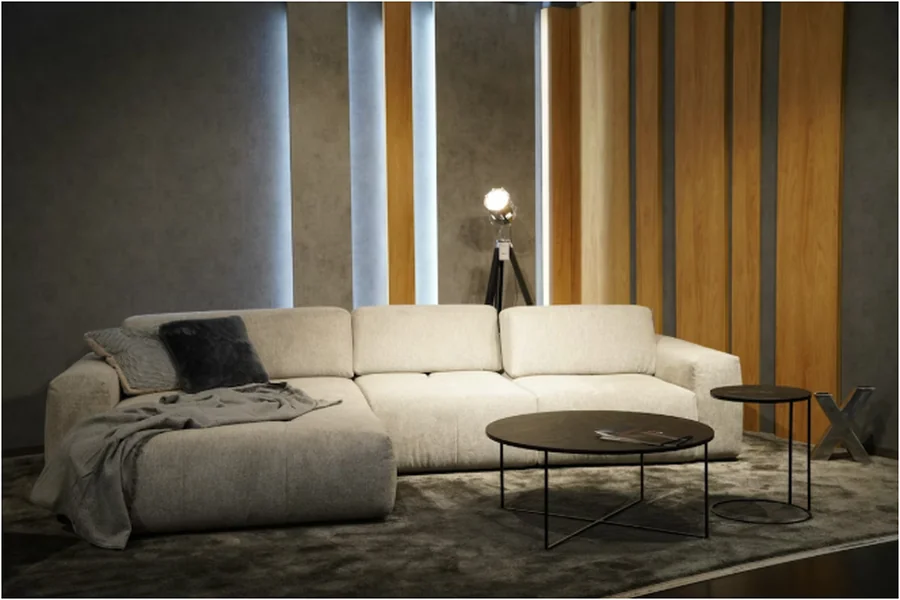
Luxury textiles often draw inspiration from historical movements and global traditions. Incorporating such influences adds narrative depth to interior design. Art Deco-inspired patterns, for instance, introduce geometric structure and subtle glamour. Traditional motifs such as ikat or chinoiserie can celebrate craftsmanship and heritage while complementing modern surroundings.
These references allow interiors to feel layered and considered rather than purely decorative. By integrating culturally influenced textiles, homeowners introduce storytelling elements that enrich the character of their spaces.
Sustainability and Ethical Considerations
Sustainability has become an essential factor in contemporary interior design. Many manufacturers now prioritise responsibly sourced materials and environmentally conscious production processes. Organic fibres, recycled textiles and low-impact dyes are increasingly available within the luxury market.
Choosing sustainable soft furnishings supports ethical practices without compromising quality or visual appeal. Investigating supply chains and production standards enables informed decisions that align with environmentally responsible living. As awareness grows, sustainability is no longer separate from luxury but integrated within it.
Maintenance and Preservation
Maintaining luxury soft furnishings ensures their longevity and continued visual impact. Delicate fabrics such as silk and velvet often require professional cleaning to preserve texture and colour. Routine care, including gentle vacuuming and rotation of cushions, helps prevent uneven wear.
Protection from prolonged sunlight exposure is also important, as certain materials may fade over time. Lined curtains or UV-protective window treatments can mitigate this risk. Regular inspection allows early identification of wear, enabling timely repairs that preserve overall quality.
Investing in appropriate care safeguards both the aesthetic and functional value of premium textiles.
Conclusion
Luxury soft furnishings play a significant role in shaping refined interiors. Through thoughtful material selection, strategic use of colour and pattern, bespoke design options and sustainable choices, they enhance both comfort and visual appeal. Their ability to soften spaces, improve acoustics and introduce personal expression makes them central to effective interior design.
