
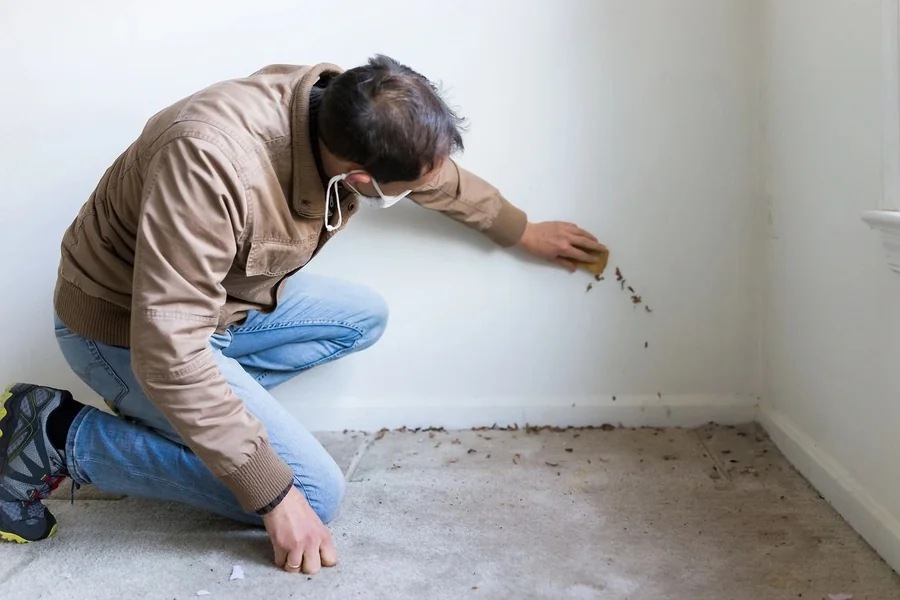
You’ve probably seen it lurking in a forgotten corner of your basement or making a surprise appearance on that loaf of bread you swore you just bought. Mold. It’s the uninvited guest that overstays its welcome, and in a city like Cleveland, with our lovely humid summers and damp basements, it feels right at home. But when does that little patch of fuzz become a problem big enough to warrant a professional inspection?
Deciding whether to call in the experts for mold testing can feel a bit like trying to self-diagnose an ailment on WebMD. Is it just a harmless spot, or is it a sign of a much bigger, hidden issue? This guide will walk you through the tell-tale signs that it’s time to consider professional mold testing in Cleveland, helping you protect your home and your health from potential problems.
What is Mold and Why is it a Problem?
Before we get into the “when,” let’s quickly cover the “what” and “why.” Mold is a type of fungus that thrives in moist, warm, and dark environments. It reproduces by releasing tiny spores into the air, which can land on damp surfaces and begin to grow. While a little mold is a natural part of the environment, a large infestation in your home can be a real headache.
Not only can mold cause significant structural damage to your property by eating away at drywall, wood, and other organic materials, but it can also pose health risks. Exposure to mold spores can trigger allergic reactions, asthma attacks, and other respiratory issues for sensitive individuals. Some molds even produce mycotoxins, which can lead to more serious health complications. Think of it as your home having a really bad allergy season, but all year round.
6 Signs You Need Mold Testing
So, how do you know if it’s time to stop guessing and get a professional opinion? Here are six clear indicators that you should schedule a mold inspection for your Cleveland home.
1. You See Visible Mold Growth
This might seem obvious, but it’s the most straightforward sign. If you see fuzzy, slimy, or discolored patches on your walls, ceilings, or floors, you likely have a mold problem. The issue is that what you see could just be the tip of the iceberg. Mold often grows in hidden areas, and a visible patch might indicate a much larger colony behind the wall or under the floorboards. A professional test can determine the extent of the growth and what type of mold you’re dealing with.
2. There’s a Persistent Musty Odor
Ever walk into a room and get hit with that distinct “old, damp basement” smell? That musty odor is often caused by microbial volatile organic compounds (MVOCs), which are gases produced by mold. If you smell it but can’t see it, mold is likely growing somewhere out of sight—behind wallpaper, under carpets, or inside your HVAC system. Your nose is a surprisingly good mold detector, so if something smells off, it’s worth investigating.
3. You’ve Had Recent Water Damage
Cleveland weather can be unpredictable, and water damage is a common issue for homeowners. Whether it’s from a burst pipe, a leaky roof after a heavy storm, or flooding in your basement, excess moisture creates the perfect breeding ground for mold. Mold can begin to grow within 24 to 48 hours of water exposure. If you’ve had any water-related incidents, it’s wise to get a mold inspection, even if you think you’ve dried everything out completely.
4. Unexplained Health Symptoms
Are you or your family members suddenly experiencing persistent allergy-like symptoms at home? This could include:
- Sneezing and coughing
- Runny or stuffy nose
- Itchy, watery eyes
- Skin rashes
- Headaches
If these symptoms seem to lessen when you leave the house and return when you come back, your indoor air quality could be the culprit. Mold spores are a common indoor allergen, and testing can help confirm if they are the source of your health woes.
5. You’re Buying or Selling a Home
A mold inspection is a crucial step in any real estate transaction. For buyers, it ensures you’re not inheriting a costly and potentially hazardous problem. Uncovering a mold issue before you buy can give you leverage in negotiations or the option to walk away. For sellers, proactively testing for mold and remediating any issues can prevent last-minute surprises that could derail a sale. It demonstrates transparency and gives potential buyers peace of mind.
6. You See Signs of Condensation
Excessive condensation on windows, pipes, or walls is a red flag for high humidity levels in your home. While a little morning fog on the windows is normal, persistent moisture can fuel mold growth. This is especially common in bathrooms without proper ventilation, basements, and laundry rooms. If you’re constantly wiping down wet surfaces, it’s a good idea to check for hidden mold.
What to Expect from Professional Mold Testing
When you schedule professional mold testing in Cleveland, an inspector will conduct a thorough visual assessment of your property. They will look for signs of water damage and visible mold. To get a complete picture, they will likely take air and surface samples from various areas of your home. These samples are then sent to an accredited laboratory for analysis, which identifies the types of mold present and their concentration levels. The final report gives you a clear understanding of your home’s situation and provides a roadmap for effective remediation if needed.
Take Control of Your Indoor Environment
Living with mold is not something you have to put up with. By recognizing the signs and acting promptly, you can protect your home’s value and your family’s health. If any of the signs mentioned above sound familiar, don’t wait for the problem to get worse. Scheduling a professional mold inspection is a proactive step toward ensuring your Cleveland home is a safe and healthy place to live.
